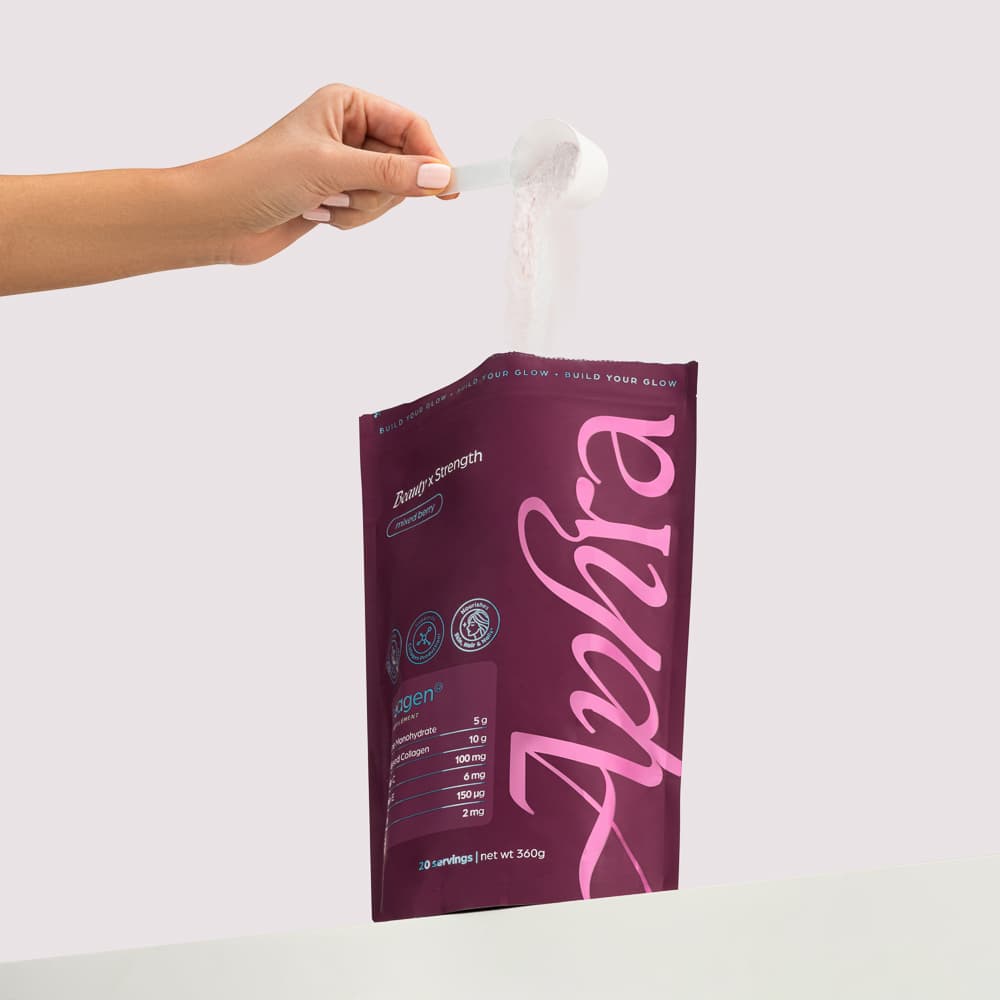
A real launch shoot, written up honestly
A UK beauty brand needed launch imagery for a new product. The bottle was final. The label was a printed sample that had to be applied in studio. The shot list was small. The deadline was real. Here is exactly what happened across eight working days.
Names, products and identifying details are removed. The timeline, the wobbles and the small decisions are all real. If you are planning a first launch shoot, this is what to expect.
At Photograph My Product we get asked a version of the same question several times a week: “how long will a small beauty product shoot actually take?”. The honest answer is somewhere between seven and ten working days for a four to six image launch, but it lands very differently when you can see the days laid out in order. So we wrote one up.
Everything below is from a real shoot completed earlier this spring. The brand was a UK beauty company prepping a new product launch with a hero bottle, a printed label sample to apply, a lid sticker and a small lifestyle composition. The samples were pre-launch and had to come back at the end. The brief evolved twice. The deadline held. Here is how the days went.
The brief, in plain words
Before we walk through the days, here is the brief as it ended up. The first version was shorter and looser, and we will come back to that.
The product
- One final bottle, pre-launch stock
- One printed label sample, to be applied in studio
- One lid sticker, to be photographed separately
- A small loose product element for the lifestyle shot
The shot list
- Image 1: Bottle front-on, no outer packaging, label applied
- Image 2: Printed label sample, standalone
- Image 3: Lid sticker, standalone
- Image 4: Lid alongside loose product, styled composition
- Finish: clean white, soft reflection, matched to existing website
- Fast-track editing for 48 hour turnaround

Small brief, real complexity
Four images sounds straightforward. Four images involving a printed label applied in studio, a lifestyle composition, a website match and a return courier on pre-launch stock is a short collaboration, not a transaction.
Day 1 and 2: from enquiry to confirmed plan
The opening email arrived late morning on a Thursday and asked the standard four questions. Could we do four photos of a new launch product, how much, how fast, and where to send the samples.
We replied the same day with a clear quote and three honest points that the opening email had not addressed. Same-day photography is doable but same-day full edited delivery is not, because the retouch on reflective beauty bottles takes longer than the capture. If samples are returned before the edited images have been reviewed and approved, there is no opportunity for a reshoot. And a fast-track 48 hour editing option exists, which would protect the launch deadline without cutting corners.
By the end of Friday, the brief had been refined twice. The original three image request became four. The 24 hour turnaround request became a 48 hour fast-track. The proforma was raised, the studio address confirmed and the sample dispatch window agreed. Two working days from the first enquiry to a confirmed plan, which is the typical pattern when a brand replies promptly and a quote is straightforward.
The shape of the eight days is not really about the photography. It is about how quickly small decisions get made between the studio and the brand.
From the project notes
Day 3: samples in transit, proforma settled
The brand dispatched the samples on the Friday afternoon for Monday delivery. They also asked for our courier returns address and a recommendation on how to package the printed label sample so it would not be damaged in transit. We replied with a short note covering both.
Proforma payment landed before the end of the day, which is the trigger for us to hold the studio slot. From this point on the calendar is real. The shoot is booked, the editor is booked, and the delivery date is locked.
Day 4: arrival, prep and the shoot
The samples arrived in the studio on Monday morning. We unpacked, photographed the packaging condition for our records (in case anything got damaged in return transit later), and flagged one small thing to the brand. The package had arrived without the written positioning instructions that had been mentioned in the email thread. The brand confirmed the positioning preference by reply mid-morning, the gap was closed, and prep began.
The shoot itself was a single late afternoon session in our York studio. Tethered capture, brand reference website open on the second monitor, lighting built for the bottle and the lifestyle composition separately. The label sample was applied to the bottle for image one, then carefully removed and photographed alone for image two. The lid sticker followed. The lifestyle composition came last because it needed the most styling time.

Hero, label, lid, lifestyle
Four images, three lighting builds, two careful applications of a printed label sample to a pre-launch bottle. The shoot ran from late afternoon into early evening.
By eight in the evening the raw frames were uploaded to a shared Google Drive folder, the brief was restated in the email body for clarity, and a request for sign-off the following morning had been sent. This is our standard positioning review step. Nothing goes to the editor until the brand confirms the frame is the right one.
Day 5: approval, with one small wobble
The brand reviewed the raw frames before lunch and came back with a yes, with one twist. They wanted to add a couple of extra shots beyond the agreed brief. This is the moment in a project where things either stay clean or quietly go sideways.
We replied the same morning. The agreed and paid brief was for four images, and we were good to proceed on those. We were also genuinely happy to add the extra shots, and would invoice them separately at the end so there were no surprises. The brand thought it through over the next hour and decided to keep the original brief intact for this launch and save the additional images for a follow-up shoot. We dropped one image they were less sure about from the original four (they wanted a slightly different label finish in the end) and proceeded with three plus the lifestyle.
The wobble took ninety minutes to land cleanly. The deadline did not move. Editing started by mid-afternoon.
Why scope discipline matters
The cleanest way to add scope mid-project is to pause, clarify and quote separately.
Silent scope creep is the single most reliable way to slip a launch deadline. Pausing for ninety minutes to confirm what is in scope, what is out, and what is being added at separate cost protects the deadline, the budget and the relationship in one move.
Brands almost never object to this conversation when it is handled openly. The only thing they object to is finding out later that an unexpected invoice has turned up, or that the launch date has moved because scope grew quietly. Neither of those things happened on this project.
Day 6 and 7: editing and final delivery
Editing took two working days. Background work, soft reflection, colour matching to the brand website, edge refinement on the bottle, and a careful clean of the label sample edges where it had been applied to the bottle in studio. The lifestyle composition needed the most retouching time because of the loose product element. Output files were prepared in two folders, one for print at high resolution and one for web at smaller sized files, both delivered through a single shared link with a short note explaining what was in each folder.
The brand confirmed approval on the edited delivery the same afternoon it arrived. Quick, decisive, easy. That tends to be the pattern when the positioning review has already locked in the composition. The proof round becomes a confirmation rather than a negotiation.
Web and print, separated cleanly
Print files at full resolution for retailer use and small file sizes for web. Same images, different exports. Brands appreciate the separation more than they expect to.
Day 8: samples returned, to a different address
The brand asked for the samples to be returned to a different address than the billing one. In this case it was a colleague at a different UK location rather than the brand’s registered office. We confirmed the new address, repacked the samples carefully (including the printed label sample, which travelled flat in protective sleeves), and shipped tracked the same afternoon. Tracking number sent to the brand by reply.
Eight working days from the confirmed plan to the samples arriving safely back at their destination. Final imagery in the brand’s hands. Launch deadline protected. No surprise invoices. No quiet compromises on the finish.
The eight working days, summarised
Days 1-2
Brief and quote
Enquiry, two rounds of clarification, proforma raised
Day 3
Samples in transit
Dispatch, payment cleared, studio slot held
Day 4
Shoot + raw review sent
Late afternoon capture, raw files via Drive by 8pm
Day 5
Approval + scope clarity
Positioning sign-off, scope wobble resolved, edit starts
The second half
Days 6-7
Editing
Retouch, colour matching, brand reference work
Day 7
Final delivery
Print and web files via shared link, brand approved
Day 8
Samples shipped back
Tracked return courier to a third UK address
0
Surprise invoices
Scope was clarified mid-project before it ever became one
Two small things we would do differently next time
Eight days, on time, on brief, samples returned. The project ran well. Two small things would have made it run even cleaner, and we are sharing them honestly because they are the kind of thing a first-time client would benefit from knowing up front.
Lesson one
Written positioning instructions inside the sample box, not in an email. The positioning preference had been agreed by email before the samples shipped, but the printed note that was meant to travel with the package had not made it in. We caught the gap by mid-morning on shoot day, but a written instruction inside the box is the cleaner habit and one we now ask for as standard.
Lesson two
Agree any extra shots up front rather than mid-project. The scope wobble on day five was handled cleanly, but it would not have happened at all if the full image wish-list had been discussed at brief stage and either included or parked as a follow-up shoot. We now nudge first-time clients to share their full wish-list at brief stage, even the optional bits, so the project plan can accommodate them properly from the start.
If you are planning a launch shoot of your own
Use the timeline above as a planning template, not as a guarantee. Every product and every brand is slightly different, and a complex set or a large image list will scale the days up. The pattern, though, holds for almost every small beauty launch we run. Brief, samples in, shoot, positioning review, editing, delivery, return. The day count moves around. The order does not.
A short pre-launch checklist
Before you send the first enquiry, have these five things to hand. The product list with the stage each item is at (final, sample, prototype), the platforms the images need to live on, a link to your existing brand library, your ideal final delivery date, and the return address if it differs from the billing address. With those in the first email, a realistic quote and timeline can come back in one working day. Without them, the first reply will mostly be questions.
For more on how the studio process works, this walkthrough covers everything from first email to final delivery, and this piece on realistic goals explains why a per-image quote is only ever half the story.

Built for the next shoot, too
Most launch shoots become returning relationships. The cleaner the first project runs, the easier the second one is to plan. The hardest part is usually the first set of eight days, not every set after.
FAQ: small beauty launch shoots
FAQ
How long does a small beauty product launch shoot really take?
From confirmed brief to final delivery, around seven to ten working days is realistic for a four to six image launch shoot, including positioning review and a fast-track editing option. Half of that timeline is logistics and approval windows rather than shutter time. Brands that build the full timeline into their launch plan tend to get noticeably better imagery than brands that try to compress it.
Can you turn a small beauty shoot around in 24 hours?
The capture itself can fit into a single morning, but full edited delivery in 24 hours from sample arrival is usually a compromise we would rather flag than agree to silently. We offer a 48 hour fast-track editing option for exactly this reason, which keeps quality intact while still hitting a tight launch window. Anything quicker than that on a reflective beauty product almost always shows in the final image.
What do I need to send to the studio for a beauty launch shoot?
The final bottle or unit (or the closest stage you have), any printed label samples or lid stickers that need to be applied in studio, a short note with any positioning notes, and the link to your existing brand library so we can match the finish. If anything is pre-launch and there is no second sample available, please flag that clearly so we can plan the prep carefully.
Can you return samples to a different address than the billing one?
Yes. We are happy to ship returns to a different address, including a warehouse, a third-party fulfilment partner, an end customer, an agent or a colleague at a different site. We just need the full address before the delivery date so we can book the courier without slipping the schedule.
What happens if I want to add extra shots after the original brief is confirmed?
Adding shots mid-project is fine and we say yes to it most weeks. The only thing we do is pause to confirm the new scope and quote it separately so the original delivery date is not at risk and there are no surprise invoices. Sometimes the new shots fit into the same studio session, sometimes they need a small second slot. We will tell you which up front.
Do you photograph one-off launches or only longer-term partnerships?
Both. There is no minimum spend at our studio and we are genuinely happy to run a single small launch shoot if that is what the brand needs. Most one-off launches become returning relationships, but they do not have to, and we never push for that. See our piece on no minimum spend product photography at photographmyproduct.co.uk/blog/no-minimum-spend-product-photography for more on this.