Defining the term
What is an imaginist?
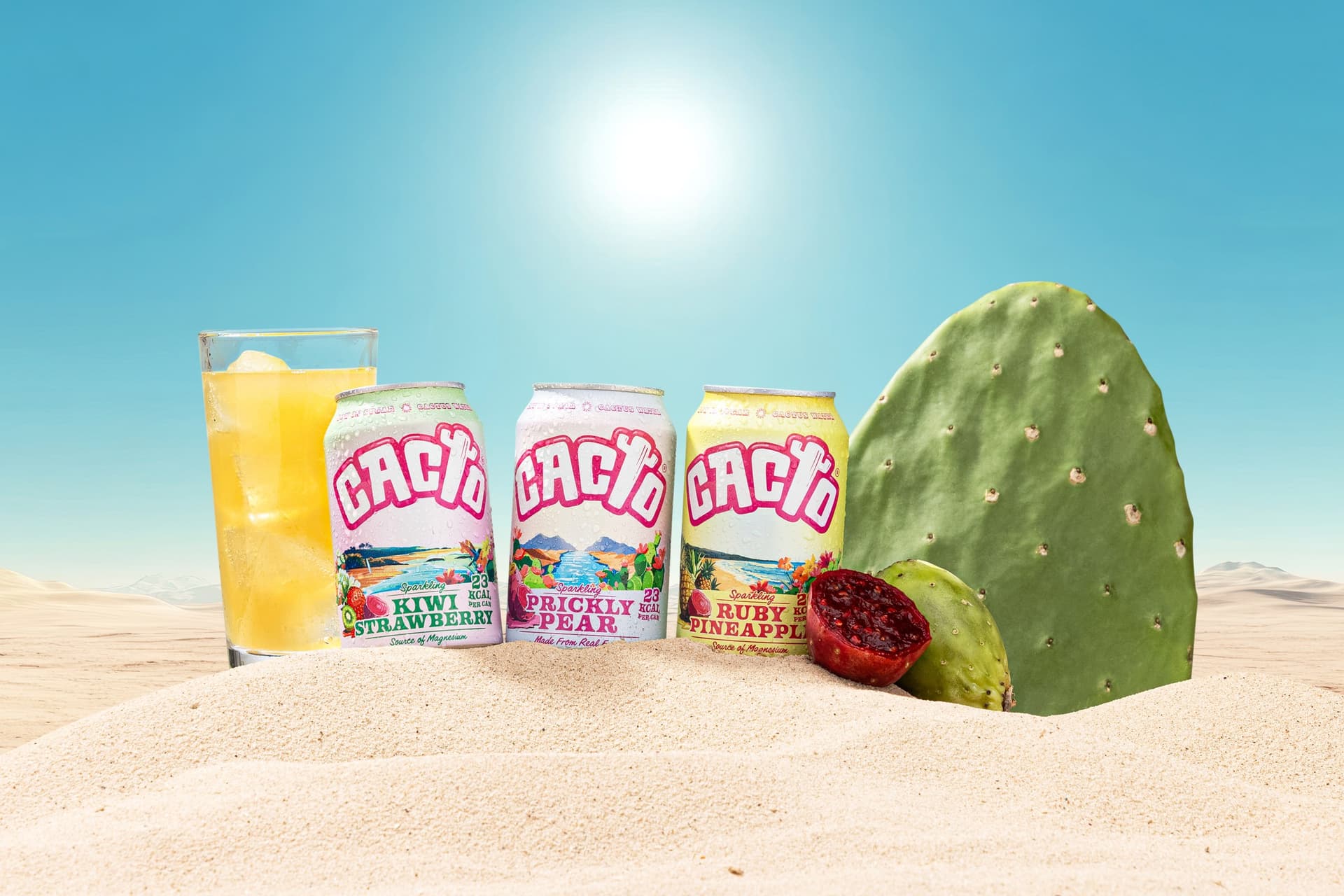
An imaginist is someone focused on creating the right final image, rather than being limited by a single method of image creation. The camera still matters. It just is no longer the whole job.
For most of my career, the question was fairly straightforward. Someone had a product. They needed it photographed. The conversation was about lighting, styling, angles, and how to make the thing look its best in a set of clean, commercially useful images.
That question has not gone away. But it has company now.
More often these days, the conversation starts differently. Not "can you photograph this?" but "can you create this image?" Sometimes the answer still involves a camera, a studio, and a carefully built set. Sometimes it involves compositing a photographed product into a scene that never physically existed. Sometimes it involves retouching that goes well beyond tidying up dust spots. And occasionally, it involves tools that would have sounded improbable to the version of me who started out shooting products on a trestle table with two Bowens heads and more optimism than experience.
The shift is quiet, but it is real. And I think it is worth talking about honestly, rather than pretending the job description has not moved.
From photographer to imaginist
It may not be a real industry term yet. But perhaps it should be.
I have started thinking of the work I do, and the work we do as a studio, as something closer to what I would call commercial image-making. Not because photography has become less important, but because it is no longer the only craft involved in creating a strong final image.
If I were going to put a word to this broader role, I would call it imaginist. Someone whose job is to create the right final image for the brief, starting with the outcome and choosing the best production route to get there. That might mean photography alone. It might mean photography plus compositing. It might mean a hybrid workflow that brings in digital scene-building or selective AI assistance for certain parts of the process.
The word photographer still describes the craft I trained in and still practise every week. But the commercial responsibility has outgrown it. Clients are not just asking for photographs anymore. They need visual systems that work across websites, marketplaces, ads, and campaigns, often involving photography, retouching, compositing, and AI-assisted workflows in combination. That broader responsibility is why imaginist feels like a more honest description than photographer alone.
The point is not the method. The point is the result.
What the brief looks like now
Several things have happened at once. Ecommerce has accelerated and brands need more image variation than ever. Platforms require different image types for different contexts. Launch cycles have tightened. Digital compositing has gone from niche technique to mainstream production method. AI tools have widened the toolkit in ways that were difficult to predict even three years ago.
None of these changes cancel out what photography does well. But together, they have expanded what clients expect from the person responsible for their modern product imagery. The brief is no longer "photograph our range." It is closer to "build us an image system that works across our website, our marketplace listings, our ads, and our campaigns, without needing a separate shoot for every variation."
That is a different job. It is a bigger job.
This is not the death of photography
I want to be clear about something, because this point matters to me personally. Photography still sits at the centre of most product imagery work. And it should.
A well-lit, properly captured photograph gives you things that no other method can reliably match. Realistic light behaviour. Accurate material rendering. Believable texture and surface detail. Proper perspective. The kind of product truth that makes a customer trust what they are looking at on a product page or marketplace listing.
This is especially true for products that people inspect closely. Glass needs real transparency. Metal needs reflections that behave physically. Cosmetics need colour that does not drift between images. Packaging needs type and finish that stays convincing under closer inspection. If you have ever tried to fake a convincing metallic highlight from scratch, you will know what I mean.
No amount of clever software replaces the discipline of getting the capture right. In product photography specifically, the capture is often the hardest part to do well. Not the most glamorous, but the most consequential. Whether you are building a catalogue for your own website or meeting the requirements of Amazon marketplace listings, the quality of the core capture shapes everything that follows. When you are compositing a product into a new environment, or extending a campaign with AI-assisted backgrounds, the quality of the original photograph determines how far you can push it.

Why capture still matters
The closer the customer looks, the less room there is for visual guesswork.
- Finish, texture, and colour need to feel physically right.
- Packaging detail has to remain clear under closer inspection.
- Premium products suffer fastest when realism slips.
- A strong capture gives every downstream workflow a solid foundation.
Everything around the photograph has expanded
What has changed is not the photograph itself. It is everything that sits around it.
Retouching used to mean cleaning up blemishes and adjusting levels. Now it can involve full digital reconstruction, surface correction, colour matching across dozens of SKUs, and preparing assets for compositing workflows that turn a studio shot into a finished lifestyle scene. Creative direction now has to account for multiple output formats, platform requirements, and image variations that simply were not part of the brief ten years ago. And then there is AI, not as a magic button, but as another layer in the process, useful for concepting, scene exploration, and background generation where the brief calls for it.
The job is no longer just about capturing a product in a studio. It is about constructing the right final image for the brief, using whatever combination of skills and tools will get there most effectively.
The camera is still vital. It just is no longer the whole job.
Nic Barella, Photograph My Product

Photographed product anchor
The product still needs to feel physically right if the final image is going to hold up on a product page.

Composite scene-building
The same product, placed into a designed environment using compositing and retouching. Both routes require craft.
Clients are buying an outcome
Most clients are not emotionally attached to one production method. They care whether the image looks believable, whether it fits the brand, whether it suits the platform, and whether it can be repeated consistently across a range. They are paying for a result.
No client has ever rung me just to check whether I suffered artistically enough while making the image.
That is not a criticism. It is a perfectly reasonable position. The best thing I can do is choose the right route to the strongest possible outcome, not the most romantically traditional one.
The route can vary, but the standard cannot
This is the part that gets lost in the noise. More ways to create a commercial image does not mean the standard has dropped. If anything, it needs to be higher.
A composited lifestyle scene still needs believable lighting logic. An AI-assisted background still needs to feel spatially correct. A hybrid workflow still needs consistency across the full image set. The final image has to feel real, specific, and commercially appropriate, regardless of how it was produced.
New tools have expanded the routes. They have not lowered the bar. Knowing when to shoot, when to composite, when to retouch, and when to bring AI into the workflow requires a fluency that only comes from understanding all of those disciplines. Access to tools is not the same thing as knowing what to do with them.
| Thinking style | Focus | Limitation | Better modern view |
|---|---|---|---|
| Purely camera-first | Capture quality and in-camera craft | Output limited to what can be physically built and shot | Photograph well, then expand with compositing and digital tools where they help |
| Purely software-first | Speed and visual novelty | Weaker product truth, harder to sustain across a range | Use digital tools under human direction, with a real product anchor |
| Human-led hybrid | Final image quality, matched to the brief | Requires broader skill set and good creative judgement | Start with the outcome, choose the best route, hold the standard throughout |
One image is easy. A whole image system is harder.
Where experience shows
Anyone can create a single striking visual. Building a complete image system is a different challenge entirely.
It is now possible for almost anyone with a laptop and an internet connection to produce an attractive one-off product visual. The tools are accessible. The results can be impressive. On a surface level, the gap between amateur and professional output has narrowed for individual images.
But brands do not run on individual images. They run on image systems.
Why systems matter
One striking visual is not the same thing as a complete, consistent product image set

Brands need visual consistency across a full range of SKUs, not just a single hero shot. This is where experience in building image systems, rather than individual images, makes the difference.
A full set of packshots. A coherent lifestyle collection. Visual consistency across twenty or fifty or two hundred SKUs. Repeatable quality across seasonal launches. A clear hierarchy of hero images, listing images, social assets, and campaign materials that all feel like they come from the same brand.
That is where experience shows. One gorgeous generated image tells you very little about whether the same approach can scale across a range, hold together under close inspection, and survive the reality of a fast-moving ecommerce calendar.
Building a system is harder than building a moment.
And it is the system that most brands actually need.
AI is useful. It is not enough.
I am neither alarmed by AI nor evangelical about it. It is a tool. A significant one, but a tool nonetheless.
In our studio, we find it genuinely useful for concepting, mood exploration, testing scene directions before committing to full production, and some background generation work. Used with care and proper direction, it adds real value to specific stages of a brief.
What it does not do is replace the judgement underneath a good commercial image. It does not understand brand positioning. It does not know what your customer trusts. It cannot reliably maintain consistency across a product range. It does not know when a reflection looks wrong, when a shadow contradicts the rest of the set, or when the mood of an image is slightly off-brief in a way that matters commercially.
Software has not magically developed taste just because it has become clever.
Where AI helps
- Concepting and mood exploration
- Background generation for photographed products
- Seasonal or campaign scene variations
- Speeding up early-stage creative development
- Expanding content around a strong core shoot
What AI does not replace
- Judgement and commercial taste
- Product accuracy and realism under inspection
- Brand understanding and visual consistency
- Knowing what customers trust and respond to
- Managing quality across a full image set
The best use of AI and commercial photography together, in my experience, is as an accelerant for work that is still being directed by someone who understands the brief, the brand, the product, and the audience. It is a genuinely useful layer. It is not the whole cake. If you want a more detailed look at where the two approaches compare, our guide to AI product photography vs traditional photography covers that ground, and our piece on hybrid product imagery explores how blended workflows play out in practice.
Why the old label no longer quite fits
Photographer is still part of who I am. I am not trying to retire the word.
But on a typical brief now, I might be planning a shoot, directing the capture, briefing retouching, overseeing compositing, reviewing AI-assisted scene options, and making sure the final set feels consistent and commercially sound across every platform it needs to appear on. That is not photography in the traditional sense. It is image-making in a broader one.
The responsibility has grown beyond the camera. Clients need someone who can judge when to shoot, when to composite, when to retouch heavily, and when AI can play a useful supporting role, and who can hold the quality standard across all of those routes. That combination of skills and commercial judgement is what I mean by imaginist. Not a new craft. A broader framing for the same commitment: making the image right.
The right route depends on the brief
If you are a brand owner, a marketing lead, or someone responsible for product imagery, none of this means you need to understand the production details.
What it means is that the right image partner should be able to recommend the best visual approach for your brief, rather than defaulting to one method because it is the only one they know. Sometimes that approach is straightforward studio photography. Sometimes it is digital compositing. Sometimes it is a hybrid workflow. And sometimes AI can play a useful supporting role in making the process faster or broader without compromising the final quality.
The point is not which tool gets used. The point is whether the final image is believable, brand-appropriate, and strong enough to do the job you need it to do.
What matters more than the method
- Does the image look believable?
- Does it suit the platform?
- Is the product accurate?
- Can the style be repeated across a range?
- Does it support trust and conversion?
The image comes first
I still believe in photography. Not out of nostalgia, but because it works. It earns trust. It shows the product as it actually is. None of that has changed.
What has changed is the scope of the job. The brief is rarely just to take a photograph now. It is to create the right final image, often across multiple methods, platforms, and commercial demands. And that broader responsibility deserves a word.
The tools will keep evolving. The responsibility will not. Someone still has to look at the brief, choose the right approach, hold the standard, and deliver something that works commercially. That is what I mean by imaginist.
Call it what you like. The image comes first.
Work with us
If you are thinking about the right visual approach for your next product range or campaign, we are always happy to talk through the options. Explore our digital composite service, take a look at our product photography, browse our Amazon photography, check pricing, or send over a brief and we will help you work out the most sensible route.
Frequently asked questions
FAQ
What does "imaginist" mean in photography?
An imaginist is someone focused on creating the right final image for a brief, choosing the best production route rather than being limited to a single method. That route might involve photography, retouching, compositing, digital scene-building, AI-assisted workflows, or a combination of several.
Is photography still important in commercial image-making?
Yes. Photography remains foundational to most commercial product imagery, especially where realism, product accuracy, material rendering, and consistency across a range are important. A strong photograph provides the level of product truth that other methods struggle to replicate reliably.
How does AI fit into modern product imagery?
AI can be genuinely useful for concepting, mood exploration, background generation, and speeding up certain parts of the production process. It works best when used alongside human direction, judgement, and quality control rather than as a replacement for the full image-making workflow.
What is the difference between a photographer and an imaginist?
A photographer creates images primarily through camera-based capture. An imaginist starts with the desired outcome and selects the best route to create the final image, which might include photography, retouching, compositing, digital scene-building, or a hybrid of several approaches.
Do clients care how an image is made?
Most commercial clients are focused on the quality, believability, and effectiveness of the final image rather than the specific production method used. They care about whether the image fits their brand, suits the platform, supports trust, and can be repeated consistently.