A potential customer discovers your product on Amazon. They like what they see, clean white backgrounds, sharp detail shots, clear infographics. Minutes later, they find you on Instagram. The colours feel different. The photography style has shifted. The brand they thought they recognised suddenly feels unfamiliar. So they scroll past.
This is the invisible revenue leak that most brands never diagnose. It's not that your imagery is bad on any single platform, it's that the gaps between platforms erode the trust you've worked so hard to build. Every visual inconsistency is a micro-doubt planted in a customer's mind.

Brand signal
Customers notice disconnect faster than most teams expect
A strong brand story is built from repeated signals: lighting, palette, crop style, composition, and the overall tone of the image set. When those signals drift too far apart, trust starts to thin out.
That is why the goal is not duplication. It is recognition. Each channel can do a different job while still feeling like the same brand system.
Consistency is less about repeating one image everywhere and more about repeating the same visual standards.
Amazon
Clean, compliant, conversion-focused
Aspirational, curated, scroll-stopping
Your Website
On-brand, detailed, trust-building
Three platforms. Three different rules. One brand story.
The brands that win aren't the ones with the biggest budgets, they're the ones with a visual blueprint that translates across every channel without losing its identity. This guide is your operations manual for building that blueprint.
Why Consistency Wins
Visual consistency isn't a design luxury. It's a commercial advantage with measurable impact on how customers perceive, remember, and ultimately choose your brand.
3-4x
more likely customers are to choose a brand they consistently recognise across platforms
Customers do not experience Amazon, Instagram, and your website as separate worlds. They experience one brand, and they notice when it stops feeling connected.
Across every touchpoint
When your Amazon listing, Instagram grid, and website all speak the same visual language, three things happen simultaneously:
- Recognition compounds. Every touchpoint reinforces the last. A customer who sees your product on Amazon and then encounters it on Instagram doesn't start from zero, they're already primed to trust you.
- Familiarity accelerates decisions. People buy from brands that feel established. A cohesive visual identity signals permanence, reliability, and professional rigour, qualities that shortcut the decision-making process.
- Conversions climb. High-quality, consistent imagery across channels doesn't just look good, it removes friction. Customers stop questioning whether they're dealing with the same brand and start focusing on whether they want the product.
Inconsistency does the opposite. It forces customers to re-evaluate your credibility at every new touchpoint, and most won't bother.
Inconsistent Brand
- ✕ Different lighting across platforms
- ✕ Mismatched colour grading
- ✕ Customers don't recognise you
- ✕ Each channel feels like a separate company
- ✕ Marketing spend works against itself
Cohesive Brand
- ✓ Unified visual language everywhere
- ✓ Instant brand recognition
- ✓ Trust builds across touchpoints
- ✓ Every impression reinforces the last
- ✓ Lower acquisition costs over time
Building Your Visual Blueprint
A visual blueprint is the single source of truth that governs how your brand appears everywhere. Without one, consistency is accidental. With one, it becomes inevitable.
What a blueprint gives you
1
Shared visual language
Lighting, grading, crop style, and mood stop drifting between channels.
2
Reusable decisions
One strong shoot can support marketplace, web, social, and campaign needs much more cleanly.
3
Faster execution
Teams spend less time reinventing how the brand should look each time content is needed.
Document Your Brand Guidelines
This isn't about creating a 40-page brand book that nobody reads. It's about codifying the handful of decisions that matter most: your colour palette, your typography hierarchy, your photography style, and the mood your imagery should convey. When these are written down, every collaborator, from your in-house team to your packshot photographer , operates from the same playbook.
Your Visual Brand Checklist
Build a Core Image Library
The most efficient brands don't shoot separate imagery for every channel. They invest in a strategically planned shoot that produces a library of versatile assets, hero images, detail crops, lifestyle scenes, and flat lays, designed from the outset to be cropped, resized, and repurposed. One well-planned shoot can fuel three to six months of multi-platform content.
Align Your Messaging
Visuals and copy are two halves of the same conversation. If your Amazon listing positions a product as premium but your website copy reads like a discount brand, you've created cognitive dissonance. The words and images should reinforce the same story at every touchpoint, even when the format changes.
Platform-by-Platform Strategy
Consistency doesn't mean posting identical content everywhere. Each platform has its own rules, audience expectations, and technical requirements. The skill lies in adapting your visual identity to fit each environment without diluting it.
Amazon rewards compliance and clarity. Your main image needs a pure white background. Secondary images should demonstrate scale, features, and use cases through infographics and lifestyle context. Every pixel should answer a buyer's question before they ask it.
Instagram is where your brand gets to breathe. This is the platform for curated lifestyle shots, behind-the-scenes process content, and aspirational imagery that makes people stop mid-scroll. The grid itself becomes a visual manifesto, each post should feel intentional, not incidental.
Your website is where the full brand story lives. Here, you have the space for high-resolution hero imagery, detailed product galleries, and editorial-style lifestyle photography that communicates craftsmanship and credibility. This is the channel where first impressions either convert or lose visitors permanently.
The thread that connects all three? Lighting, colour grading, and compositional style. When these foundational elements remain consistent, your brand stays recognisable even as the format and context shift.

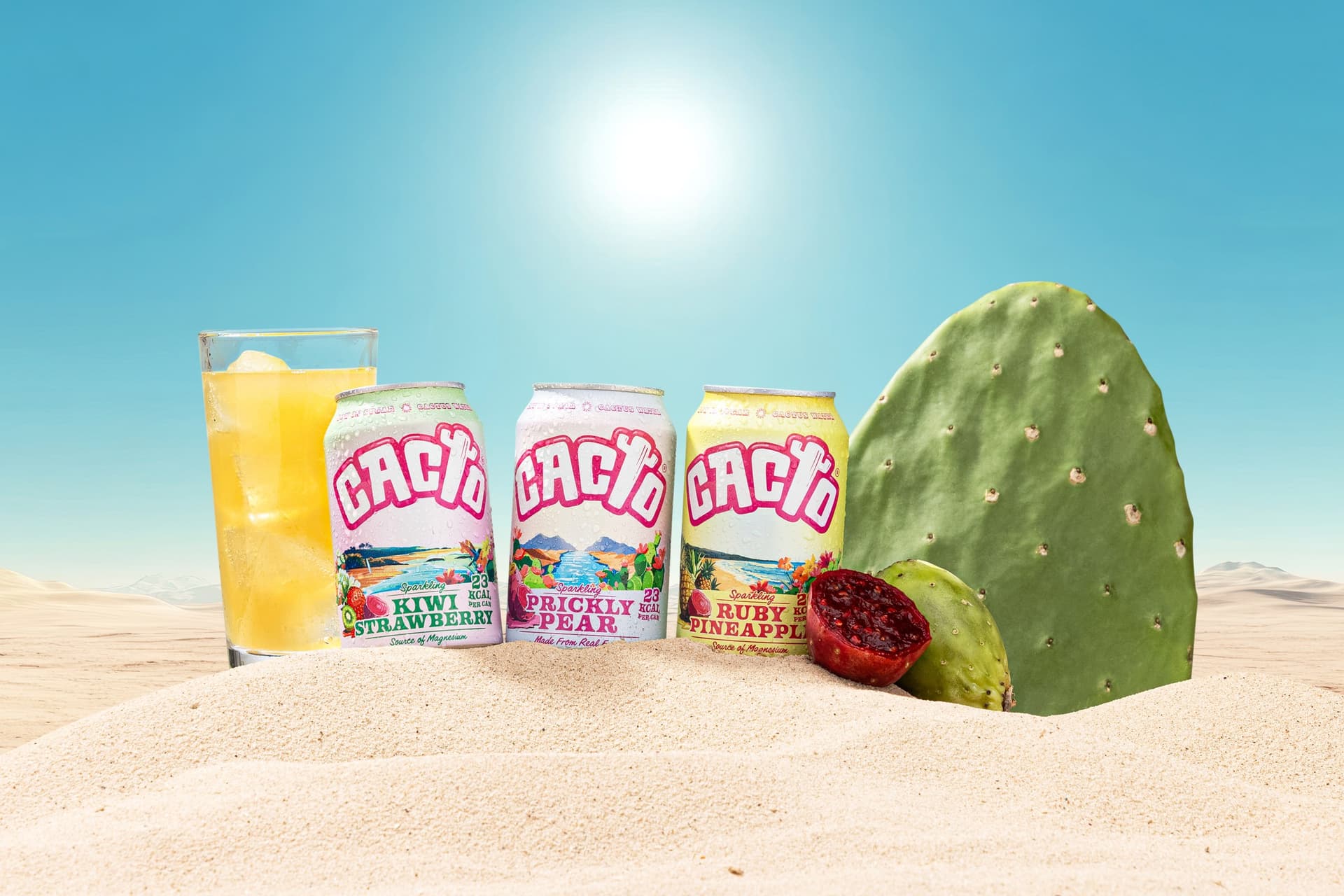
Visual reference
When the same lighting logic, colour palette, and level of finish carry across channels, the brand feels more deliberate and easier to trust.
The Power of Lifestyle Photography
Packshots tell customers what a product looks like. Lifestyle photography tells them what it feels like to own it.
This distinction matters more than most brands realise. When a skincare product sits on a marble countertop beside fresh flowers, or a piece of tech appears on a clean desk in a sunlit studio, customers aren't just seeing the product, they're projecting themselves into that scene. They're already imagining it in their life.
Lifestyle imagery serves three strategic purposes across platforms:
- Emotional engagement. It transforms a transaction into an aspiration. Customers don't buy products, they buy the version of their life that includes the product.
- Real-world context. It answers the unspoken questions: How big is it? Where does it go? What does it look like in use? These contextual cues reduce purchase anxiety.
- Brand relatability. Lifestyle photography humanises your brand. It moves you from "another product listing" to "a brand I connect with."
The most effective approach is to shoot lifestyle and packshot imagery in the same session, ensuring the lighting, colour palette, and overall aesthetic remain perfectly aligned from the start.
Protecting Your Visual Investment
You've invested in professional photography. Now protect that investment by ensuring it survives the journey from camera to screen. Poor file management is where beautiful imagery goes to die.
Image Delivery Essentials
Right sizes for every platform
Amazon requires minimum 1600px on the longest side. Instagram favours 1080×1080px for grid posts. Your website needs both high-res heroes and optimised thumbnails.
Appropriate file formats
JPEG for photography, PNG for graphics with transparency, WebP for website performance. Each format has a purpose, using the wrong one degrades quality or inflates load times.
Compression awareness
Over-compressed images look amateur. Under-compressed images slow your pages. Find the balance that preserves quality while keeping load times fast.
A single pixelated image on your website or a blurry Amazon listing photo can undo the credibility built by everything else. Treat image quality as a important brand standard.
Your Multi-Platform Action Plan
Building a cohesive visual brand isn't a one-time project, it's an ongoing discipline. But it starts with a single, well-planned photography investment.
The brands that perform strongly across platforms aren't spending more, they're planning better. One strategic shoot, executed with multi-platform distribution in mind, creates a visual ecosystem where every touchpoint reinforces the last.
Start by auditing your current imagery across channels. Where are the gaps? Where does the lighting shift, the colour grading change, or the overall feeling fracture? Those gaps are where trust leaks out, and where the biggest opportunities for improvement lie.
One simple exercise helps here: place your top Amazon image, homepage hero, and three recent Instagram posts next to each other. If they do not feel like the same brand in the same month, that is the first thing to fix. When you're ready to build a visual identity that works seamlessly across every platform, explore our packshot photography and lifestyle photography services. Review our transparent pricing, or get in touch for a tailored recommendation based on your brand, your platforms, and your goals.