The Art of Context
A packshot shows what your product is. A lifestyle image shows what your product means.
That difference is worth millions in conversion revenue.
Imagine two images of the same hand-poured candle. In one, it sits on a white background, clean, clear, informative. In the other, it glows on a linen-draped side table beside an open book, a ceramic mug, soft evening light filtering through a window. The first tells you what the candle looks like. The second makes you feel the evening you could have with it.
That shift, from description to desire, is the engine behind lifestyle product photography. It's the reason brands that invest in context-driven imagery consistently outperform those relying on packshots alone. Not because packshots don't matter (they absolutely do), but because humans don't make purchasing decisions with spreadsheets. They make them with feelings.
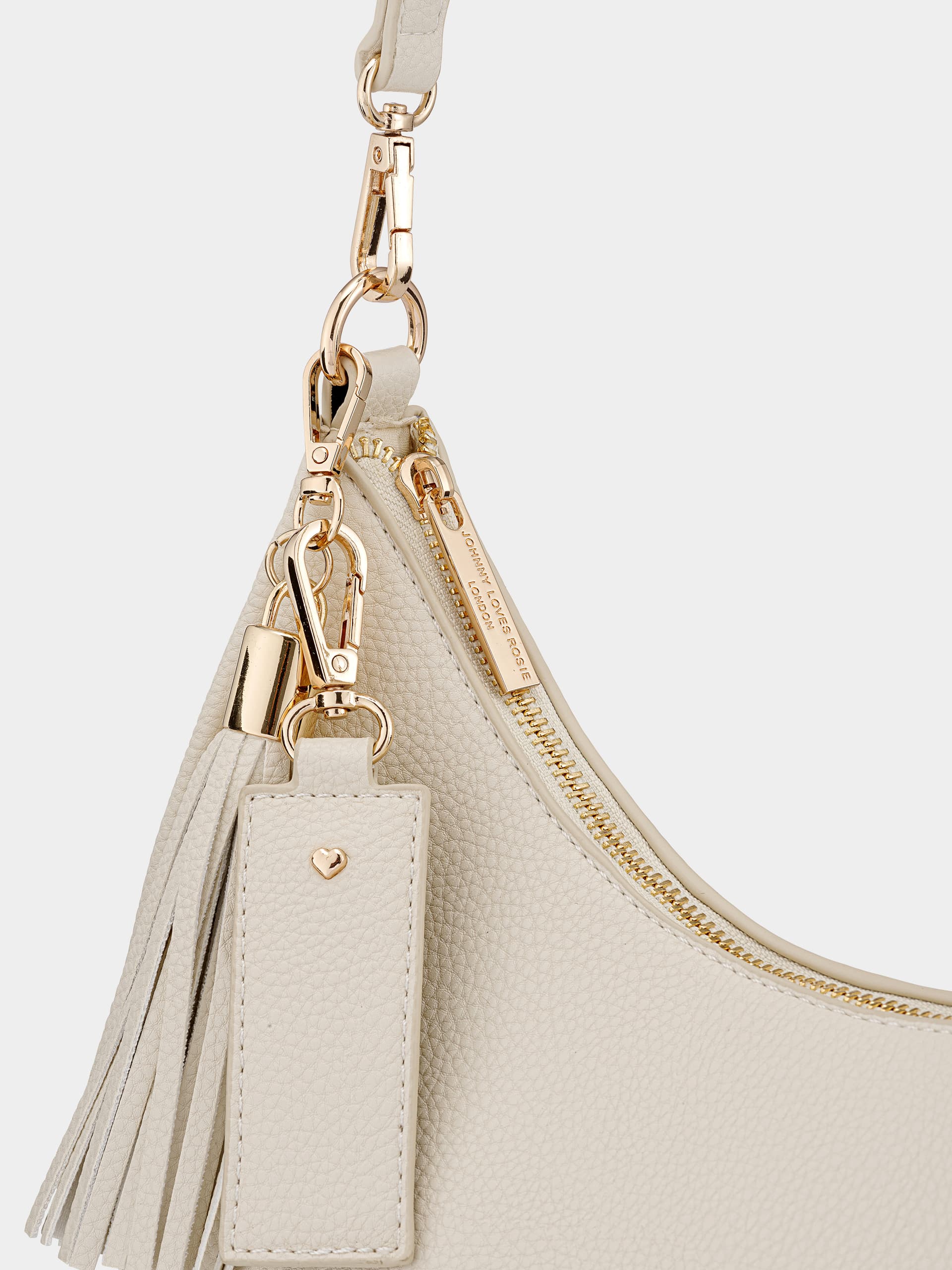
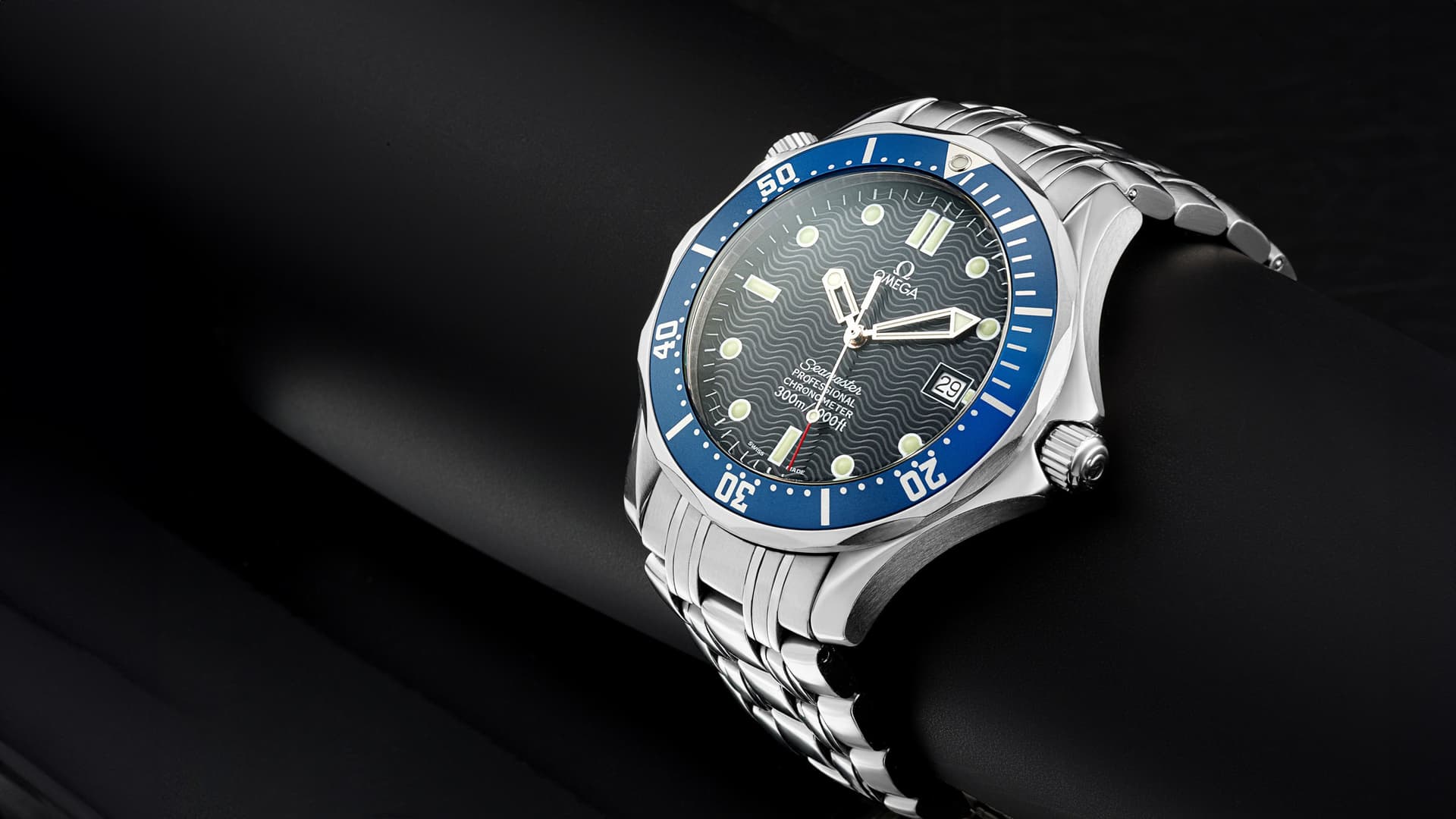
In studio, this is usually the moment a brief starts to come alive. A product stops being just an object to document and starts becoming part of a room, a routine, or a type of customer life.

From object to atmosphere
Lifestyle photography works when it gives the product a believable world to live in
Packshots explain the product clearly. Lifestyle images explain the feeling around it. That emotional layer is often what makes a product feel easier to want rather than simply easier to understand.
The difference is not decoration for its own sake. It is what helps the customer imagine ownership before they buy.
The strongest lifestyle images make the product feel naturally at home in a recognisable routine, room, or customer moment.
What Makes Lifestyle Photography Different
Every product exists in two realities. There's the functional reality, its dimensions, its materials, its colour options. And there's the emotional reality, the morning routine it belongs to, the kitchen counter it sits on, the gift bag it arrives in.
Packshot photography captures the first reality beautifully. It's precise, consistent, and essential for any ecommerce listing. But lifestyle photography captures the second, and that's where purchasing decisions actually happen.
When a customer sees your product in a scene they recognise, their kind of kitchen, their style of bathroom, the sort of picnic they'd plan, something neurological fires. The brain stops evaluating and starts imagining. Ownership feels closer. The "Add to Cart" button feels like a smaller leap.
"People don't buy a £40 candle because they need light. They buy it because they want the evening it promises."
A good lifestyle image does not just show where a product goes. It shows why it belongs there.
Why context converts
Three Mood Families for Product Photography
Before a single prop is placed or a light is angled, the most important decision in lifestyle photography is mood. Mood determines everything, the surfaces you shoot on, the colour temperature of your lighting, even the negative space in each frame. Over years of shooting for brands across industries, we've found that most successful lifestyle imagery falls into one of three mood families.
Warm & Organic
Natural light, wooden surfaces, dried flowers, earth tones. Perfect for skincare, artisan food, handmade goods.
Clean & Modern
Geometric props, marble surfaces, monochrome palette. Ideal for tech, beauty tools, premium accessories.
Fresh & Vibrant
Bold colours, dynamic angles, lifestyle-in-use shots. Great for fitness, outdoor, food & drink brands.
Choosing the right mood family isn't about personal taste, it's about your customer. A wellness brand targeting women in their 30s will lean into Warm & Organic. A premium tech accessory brand wants Clean & Modern. A protein snack company launching on TikTok needs Fresh & Vibrant energy. The mood has to match the world your customer already lives in.
Planning a Lifestyle Shoot That Actually Delivers
The most common mistake brands make with lifestyle photography is treating it like an afterthought, something you bolt on after the packshots are done. The best results come from planning lifestyle imagery as its own creative exercise, with its own brief, its own props, and its own objectives.
When a lifestyle shoot feels flat, it is rarely because the camera work was poor. More often, the scene was not specific enough. The props were generic, the surface said nothing, and the product could have belonged to almost any brand.
Where scenes succeed
Specificity is what stops lifestyle photography feeling generic
The best scenes are built from details that make sense for the brand: the right surface, the right prop logic, the right light quality, and just enough atmosphere to support the product without overwhelming it.
Generic props create generic images. Specific props create scenes that feel like they belong to a real customer life.
What makes a set believable
Surfaces and Backdrops
The surface your product sits on carries more visual weight than most people realise. A raw oak board communicates craft and heritage. A polished marble slab says luxury. A concrete tile reads industrial-modern. We keep a library of over fifty surfaces in-studio so we can match the right texture to every brand story.
Props With Purpose
Every object in a lifestyle frame should earn its place. A sprig of dried eucalyptus beside a soap bar suggests natural ingredients without a single word. A half-drunk espresso beside a leather wallet implies a morning ritual. The wrong prop, something generic, plastic, or off-brand, breaks the spell immediately. We curate props specifically for each shoot, often sourcing items that echo a brand's materials, textures, or colour story.
Lighting as Mood Architecture
Lighting isn't just technical, it's emotional. Soft, diffused window light creates intimacy and warmth. Harder directional light adds drama and edge. Golden-hour tones evoke nostalgia. Cool, even light feels clinical and premium. We discuss lighting direction early in every brief because it shapes the entire feeling of the final image.
Collaboration, Not Delegation
The best lifestyle shoots happen when brands and photographers collaborate rather than one side handing off to the other. You know your customers, your brand values, and the story you want to tell. We know how to translate those ideas into light, composition, and texture. That overlap is where the magic lives.
Where Lifestyle Photography Wins
Not every platform treats imagery the same way. A hero image that perform stronglys on your Shopify homepage might get lost in an Amazon listing grid. Understanding where lifestyle photography has the greatest impact, and what format each platform demands, lets you plan shoots that deliver assets for every channel in one session.
Where Lifestyle Photography Wins
Best format: 1:1 / 4:5
Content style: Aspirational, curated
Impact: ★★★★★
Amazon
Best format: 1:1
Content style: In-use context shots
Impact: ★★★★☆
Website
Best format: 16:9 / Hero
Content style: Brand story, editorial
Impact: ★★★★★
Facebook Ads
Best format: 1:1 / 4:5
Content style: Emotional, scroll-stopping
Impact: ★★★★☆
The smartest approach is to shoot with multiple platforms in mind. When we plan a lifestyle session, we typically capture each scene in several crops, a wide 16:9 for website heroes, a tight 1:1 for Amazon and social grids, and a vertical 4:5 for Stories and paid social. One well-planned scene can yield five or six usable assets across channels.

Multi-channel value
One considered scene can often produce several useful outputs, from website hero imagery through to marketplace crops and paid social formats.
Real Scenarios: How Lifestyle Imagery Transformed These Brands
Theory is useful, but nothing illustrates the power of lifestyle photography like seeing it work in practice. Here are three examples from recent projects that show how context-driven imagery changed the game for very different products.
Scenario: Premium Candle Brand
A candle company needed imagery that evoked warmth, ritual, and luxury. We created a living room scene with soft evening light, linen textures, and ceramic accessories, no staged perfection, just a moment someone would want to step into.
Result: 40% increase in Instagram engagement, featured by the brand's retail partners.
Scenario: Artisan Coffee Subscription
A speciality coffee brand was launching a subscription box on Amazon and needed lifestyle imagery that stood apart from the sea of identical white-background coffee bag shots. We built a morning kitchen scene, pour-over in progress, steam catching the light, the subscription box open on a wooden counter with scattered beans and a folded newspaper.
Result: Conversion rate on the Amazon listing increased by 28% within the first month of updated imagery.
Scenario: Sustainable Skincare Startup
A new skincare brand built on sustainability needed its imagery to reflect natural ingredients and ethical values without looking clinical or preachy. We shot on raw stone surfaces with fresh botanicals, soft directional light, and muted earth tones, letting the textures of the product packaging do the talking.
Result: The brand secured placement in two national retailers, citing the imagery as a key factor in their buying decision.
Lifestyle vs Packshots: You Need Both
This isn't an either-or debate. Packshots and lifestyle imagery serve fundamentally different roles in the customer journey, and the strongest brands deploy both with intention.
Packshots are your product's passport. They provide the clean, factual reference that customers need, exact colour, shape, size, label detail. Marketplaces like Amazon require them. Comparison shoppers rely on them. They build trust because they show you have nothing to hide.
Lifestyle images are your product's personality. They create the emotional pull that moves someone from "interesting" to "I want that." They answer the questions packshots can't: How does it fit in my home? What does it feel like to use? Is this brand for me?
Packshots
- ✓ Build trust and credibility
- ✓ Meet marketplace requirements
- ✓ Show accurate colour and detail
- ✓ Enable direct comparison
Lifestyle
- ✓ Create emotional connection
- ✓ Drive social engagement
- ✓ Show context and scale
- ✓ Increase conversion rates
The ideal ecommerce listing leads with a compliant packshot, then layers in lifestyle imagery through the remaining image slots. Your website can go further, using hero images for impact, lifestyle shots for product pages, and packshots for cart and checkout clarity. It's a visual ecosystem, and every image type has its role.
How to Brief Us for Lifestyle Photography
A great brief is the difference between imagery that looks nice and imagery that actually works. When you come to us for a lifestyle shoot, here's what helps us deliver the best results.
Before the shoot
A good brief gives the scene a customer, a mood, and a job to do
The strongest lifestyle briefs tell us more than what the product is. They tell us who it is for, where the images will live, and what sort of world the product should feel part of.
Mood References
Send us images that capture the feeling you're after, not just product photography, but interiors, textures, even film stills or fashion editorials. We're looking for tone, not templates. A Pinterest board, a saved Instagram collection, or even a few screenshots go a long way.
Your Customer's World
Tell us about the person buying your product. What does their home look like? Where do they shop? What brands do they already love? The more vivid a picture you paint of your target customer, the more precisely we can build scenes that feel like their life.
Platform Destinations
Knowing where these images will live shapes how we shoot them. Amazon listings, Instagram grids, website banners, and Facebook ads all have different format requirements and visual languages. Tell us your channels upfront and we'll plan crops and compositions that work everywhere from a single shoot session.
Brand Story and Values
If sustainability is core to your brand, we want that reflected in the props and materials we use. If your brand voice is playful and bold, we'll lean into colour and energy. The more we understand what your brand stands for, the more authentic the imagery feels. For tips on pulling together a cohesive brief, see our guide on working to a brief.
Start Building Your Visual Story
Lifestyle photography isn't a luxury, it's the layer that turns good product listings into compelling ones. Whether you're launching a new range, refreshing tired imagery, or building a brand from scratch, the right lifestyle shots will give your products the emotional context they need to connect with customers and convert.
If you are trying to work out whether your product needs just a few strong lifestyle scenes or a broader campaign set, that is usually a good conversation to have before the brief is locked. Explore our lifestyle photography services, browse packshot options for the other half of the equation, or check our hero image service for banner imagery. See transparent pricing or send over your rough brief through enquiry and we can help you work out the right mix.