Clarity or context?
Packshots show the product clearly. Lifestyle images make it easier to want.
Most brands do not need to pick a side. They need the right image for the right stage of the sale.
Packshot vs lifestyle product photography is not really a debate about which style is better. It is a question of what job the image needs to do.
Both approaches matter, but they do different work. A packshot makes the product clear, clean, and easy to compare. A lifestyle image shows context, use, and brand feel. If you use the wrong one in the wrong place, the images may still look polished while leaving important questions unanswered.
The better starting point is usage, not taste. Are the images for ecommerce product pages, Amazon listings, social campaigns, a brochure, retailer sell-in, or a launch? Once that is clear, the brief usually becomes far easier to shape.
The short version
Packshots
Best for clarity, consistency, and comparison
Lifestyle
Best for context, desire, and brand feel
Both
Best for brands selling across more than one channel
Packshot vs lifestyle product photography: the real difference
In practical terms, the difference comes down to what the customer needs from the image. If they need to inspect shape, colour, finish, packaging, or features, packshots usually do the heavy lifting. If they need to understand scale, imagine the product in use, or connect with a premium feel, lifestyle photography becomes more useful.
A simple studio rule
If the customer needs to compare, start with packshots. If the customer needs to imagine ownership, add lifestyle.

Packshot
Built for clarity
The image is doing a practical job. It shows the product cleanly, keeps distractions low, and makes it easier to compare one item against another.

Lifestyle
Built for context and desire
The image is doing more than documenting the object. It shows use, mood, and the sort of customer moment the brand wants to own.
What is packshot photography?
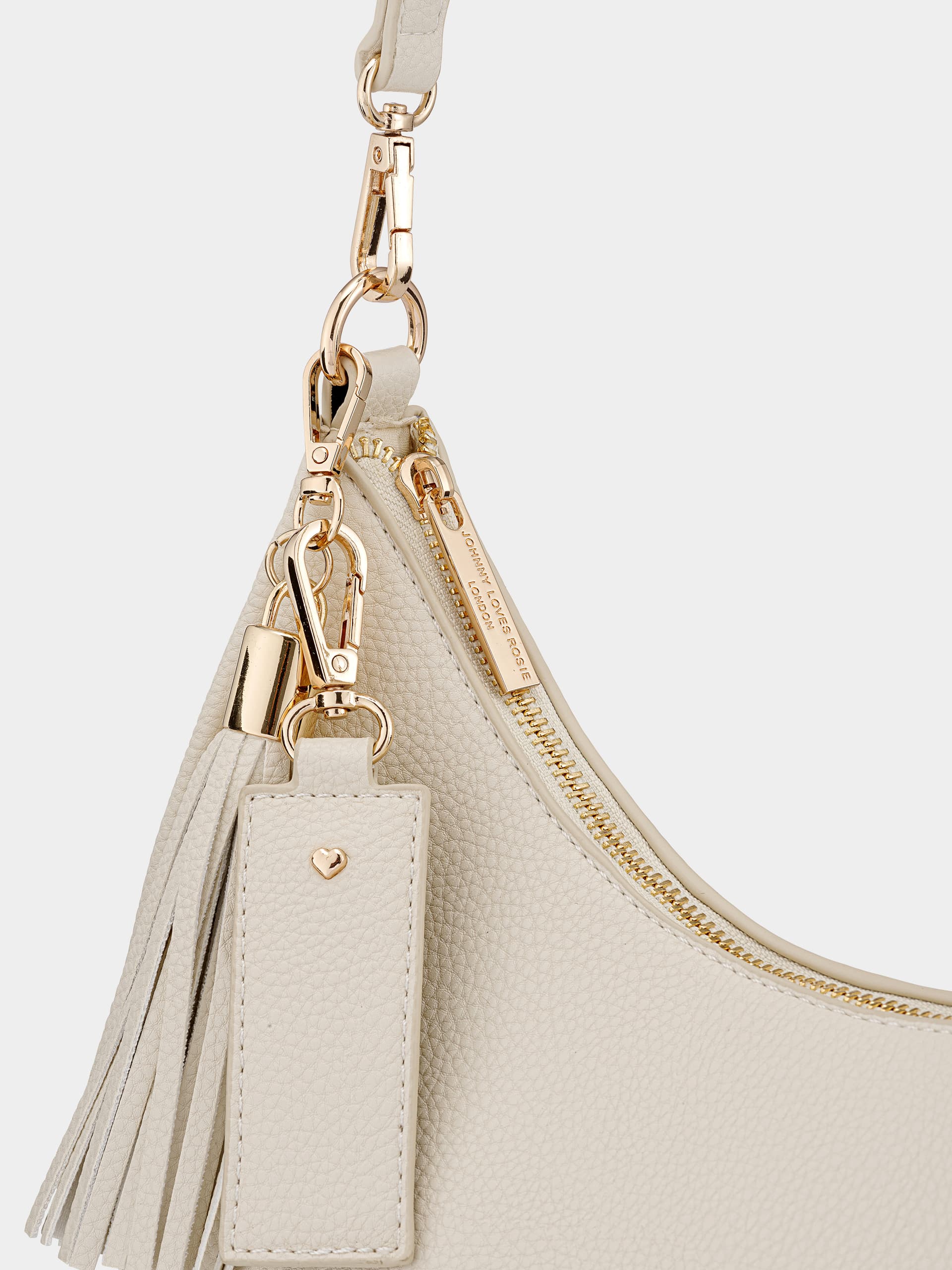
If you are asking what is packshot photography, the simple answer is this: it is clean, product-focused imagery, usually shot on a white or plain background, with the goal of making the product easy to read.
Packshots are common on product pages, marketplaces, brochures, catalogues, and retailer listings because they keep the focus on the product itself. They are usually the most efficient way to show front views, side views, back-of-pack information, or detail variations across a range of SKUs.
Good packshots often look simple, but simple is not the same as effortless. Jewellery, watches, shiny bottles, or clear packaging can still take careful lighting and retouching to look clean without losing shape or material detail.

Packshot in focus
Packshots are usually strongest when you need products to feel tidy, comparable, and easy to browse across a range.
What is lifestyle product photography?
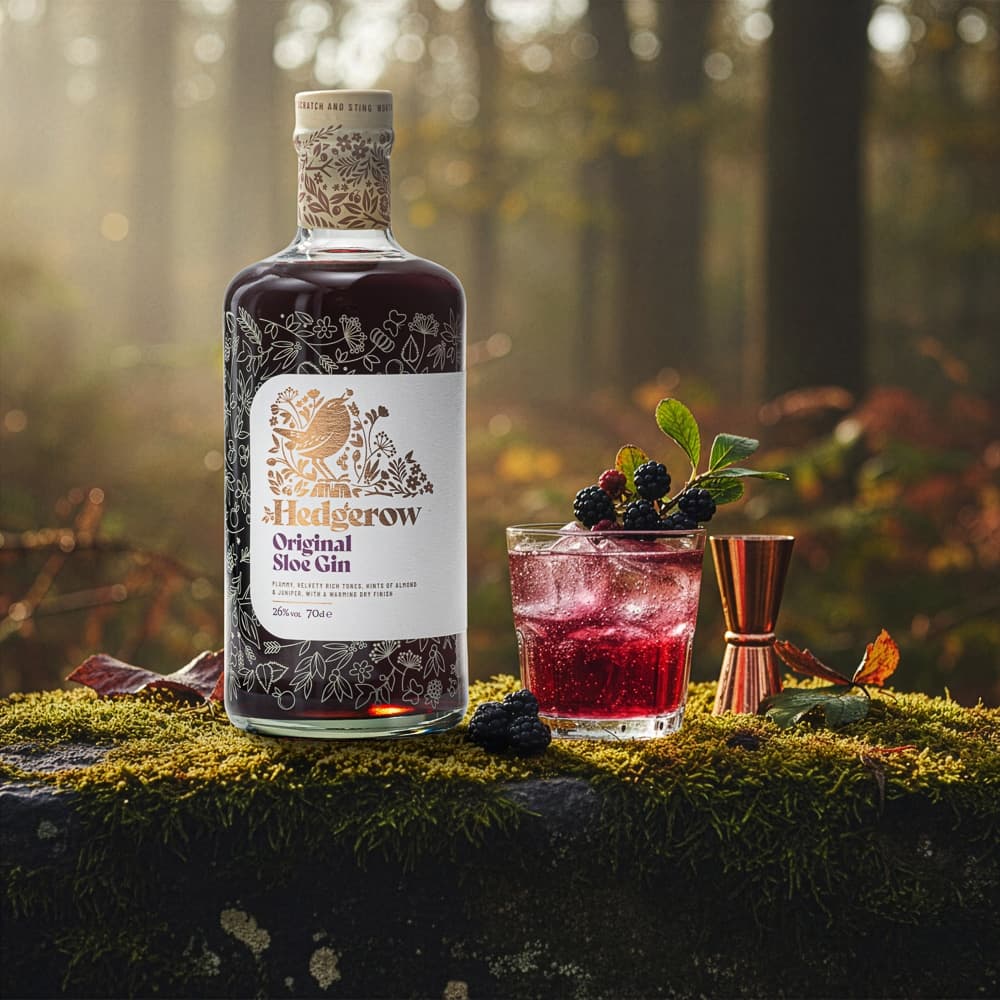
What is lifestyle product photography? It is product photography that shows the item in context, in use, or within a styled scene that helps the customer understand more than the object alone.
That context might be a hand model, a kitchen surface, a bathroom shelf, a table setting, or a more editorial set build. The point is not to decorate the image for the sake of it. The point is to make the product feel more real, more relevant, and easier to imagine owning.
This is where lifestyle imagery becomes especially useful for brand-building, launch campaigns, social content, and premium ecommerce. A product can be perfectly clear in a packshot and still feel flat if the customer never sees how it lives in the world.

Lifestyle in focus
Context turns a product from something seen into something imagined
A good lifestyle image answers a different set of questions. Where does this fit? How does it get used? What sort of home, routine, or customer taste does it belong to?
That is why lifestyle images are often valuable for premium products, giftable products, food and drink, beauty, and any category where buying decisions involve more than pure function.
Lifestyle imagery can explain scale, use, and brand mood in one frame, especially when the product category benefits from atmosphere.
Packshots usually do the heavy lifting for clarity. Lifestyle imagery usually does the heavy lifting for desire.
How the roles split
Why packshots still matter
The biggest strength of packshots is clarity. They strip away noise and put the product front and centre. That matters on crowded category pages and marketplaces where customers are scanning quickly and making comparisons side by side.
Clean presentation
Products look tidy, professional, and easy to assess without competing props or background distractions.
Consistency across ranges
A repeatable setup makes whole catalogues look more joined up, which is especially helpful for ecommerce.
Ideal for comparison
Customers can judge size, features, colourways, or pack differences more easily when the image style stays consistent.
Useful for Amazon and marketplaces
Clean product-led imagery is often the baseline requirement, which is why amazon packshot photography is such a common brief.
This is also why packshots are often the foundation for product photography for ecommerce. If your customer cannot clearly see the item, the rest of the image strategy starts on shaky ground.
Why lifestyle imagery earns its place
Lifestyle photography adds something packshots usually do not: emotional context. It helps the customer see not just the product, but the product in a believable setting or moment.
Where lifestyle imagery earns its keep
Lifestyle photography is particularly useful when context explains the product more clearly, when brand feel matters, or when the images need to work beyond a product page. That is why it tends to pull more weight in ads, launch campaigns, social media, email, and premium brand storytelling.

Where lifestyle pays back
The image does more work when it can sell mood, quality, and use in the same frame.
This is why lifestyle imagery often ends up carrying launch creative, paid social, homepage banners, and campaign content, even when packshots still anchor the product page.
The commercial view
The best briefs rarely ask one image type to do every job
Trying to make one set of images cover every platform usually creates compromises. Clear packshots for the product page and stronger lifestyle assets for marketing is often the cleaner answer.
When packshots should come first
Choose packshots first when clarity is the priority. That is usually the case for Amazon listings, ecommerce category pages, technical products, accessories with important feature visibility, or any range where customers need to compare products quickly.
They also make sense when packaging matters. If the front label, ingredient panel, fittings, finish, or product form needs to be seen cleanly, a packshot is usually the right starting point. For many brands, this is the non-negotiable layer of the shoot.
Amazon listings
Main image compliance and clear product reading usually come first. Our Amazon product photography service is built around that.
Large ecommerce ranges
When you have lots of SKUs, consistency becomes as important as the individual image itself.
Technical or detail-led products
Customers often need a plain, honest view before they are ready for anything more styled.
When lifestyle photography should lead
Choose lifestyle photography when the product benefits from context or when the brand is selling more than utility alone. Premium products, giftable items, food and drink, beauty, homeware, and launch campaigns often gain more from showing the product in a real-world setting.
It is also useful when the product is hard to read without scale or use. A hand model, surface, or room setting can answer questions quickly that a plain product image cannot.

Where the mix matters
Jewellery is a good example of why many brands mix image types. A packshot shows finish and shape cleanly, while a lifestyle setup can make scale, wear, and styling feel more immediate.
Why many brands need both image types
This is usually the most honest answer. Many brands do not need to choose one or the other. They need both, because customers move through different stages before they buy.
Packshots are often strongest lower down the journey, when the customer is checking details, comparing options, or looking at a listing grid. Lifestyle images often work earlier or alongside that, when the customer is deciding whether the product feels worth a closer look in the first place.
This is often where briefs become easier to shape. Instead of asking for one style, ask what the customer needs to see at each stage. That tends to lead to a more useful mix of assets and a more efficient shoot plan.
Website product pages
Usually need both. Packshots cover the detail. Lifestyle images help the page feel more persuasive.
Amazon and marketplaces
Usually start with packshots and build outward into supporting graphics or lifestyle where the format allows it.
Campaigns and launches
Usually lean harder on lifestyle because mood, use, and brand feel are doing more of the work.
How to decide what your brief really needs
If you are still unsure, a simple checklist normally gets you there faster than a long creative debate.
A quick checklist before you book
Where will the images be used?
Website, Amazon, retailer listings, print, email, ads, or social usually call for different asset types.
Do customers need context or scale?
If yes, lifestyle imagery becomes more important.
Do you need consistency across many SKUs?
If yes, packshots usually need to form the base layer of the brief.
Which channels matter most commercially?
Amazon, ecommerce, wholesale, print, and social often pull image priorities in different directions.
If you are planning a new shoot, it can also help to start with the essentials and add outward. Cover the packshots that keep the catalogue clean, then build in the lifestyle images that make the launch or brand activity stronger. That usually produces a more commercially balanced brief than leaning too far in one direction.
The right mix depends on the job
Packshots and lifestyle images are not competing ideas. They are different tools. One helps customers judge the product clearly. The other helps them imagine the product in their life. The strongest ecommerce brands usually understand where each one pulls its weight.
If you want a clearer sense of what your own mix should look like, you can explore our packshot photography, lifestyle photography, pricing, or broader product photography pages. If you already have a product list or rough brief, send it over and we can advise on the most sensible approach.
Next step
Need a clearer recommendation for your own range?
If you send over your product type, quantity, and where the images need to be used, we can usually tell you whether the brief should lean packshot, lifestyle, or a mix of both.
Common questions
What is the difference between packshot and lifestyle product photography?
Packshot photography is clean, product-led imagery, usually on a white or plain background, built for clarity and consistency. Lifestyle product photography shows the product in context or use, helping customers understand mood, scale, and brand feel.
Do I need packshots for Amazon?
In most cases, yes. Amazon usually relies on clean, compliant product imagery for the main image, and packshots do the heavy lifting there. Lifestyle images can still be useful as supporting content within the wider image set.
Is lifestyle photography better for ecommerce?
Not on its own. Lifestyle photography is excellent for showing use, building desire, and supporting brand positioning, but most ecommerce products still benefit from packshots for clear product-page browsing and comparison.
Can a product launch use both packshots and lifestyle images?
Yes, and many launches work best that way. Packshots cover the product page, retailer requirements, and clear product detail, while lifestyle imagery gives you stronger assets for campaign creative, social content, email, and launch storytelling.
Which type of product photography is best for my brand?
That depends on where the images need to work. If you need clean consistency across a range, packshots often come first. If you need to show use, giftability, premium feel, or brand personality, lifestyle photography becomes more important. Many brands need a practical mix of both.