The Core Question
"What should product photography actually cost?"
Most honest answers do not start with a flat number. They start with the brief, because quantity, complexity, retouching, and channel requirements all change the real cost.
Product photography cost UK searches usually come from the same practical question. What is a sensible budget, and what are you actually paying for?
The honest answer is that product photography costs vary because not all briefs are equal. A simple white background packshot for a straightforward product is a very different job from a styled lifestyle image, a reflective cosmetics bottle, or a full Amazon image set with infographics and retouching. There is no single flat price that fits every product, every brand, or every use case.
That is not a pricing dodge. It is simply the reality of commercial photography. The aim of this guide is to make that reality easier to understand before you request an estimate, so you can brief a studio properly and budget with more confidence.
Quick takeaway
The more repeatable the image set, the easier the pricing becomes. The more variation, styling, and platform-specific work involved, the more the quote needs to reflect production time rather than a flat per-image number.

Pricing in context
Studios are usually pricing workload, not just a final file count
One product might need a fast, repeatable white background setup. The next might involve reflective packaging, strict colour matching, close-up details, and extra retouching for marketplace or ad use.
That is why pricing starts to make more sense once you look at the brief in layers: how many items, how many outputs, how repeatable the setup is, and how much post-production sits behind the final gallery.
A tidy brief with repeatable products is easier to quote cleanly than a mixed range with different materials, crops, and deliverables.
Pricing Reality
Why there is no universal flat rate
Two products can look equally simple on screen and still take very different amounts of studio time. A matte carton may move through quickly. A chrome lid, clear bottle, or product range that must match perfectly across dozens of SKUs will usually need more care.
Lower complexity
Single angle packshots, clean surfaces, minimal retouching.
Mid complexity
Multiple views, product ranges, consistent cropping, some cleanup.
Higher complexity
Styling, composites, reflective materials, Amazon overlays, heavy retouching.
A matte carton, a reflective bottle, and a full Amazon image set might all count as product photography, but they are not the same production job.
Why quotes vary
What affects product photography cost in the UK
The quickest way to understand product photography pricing is to look at what changes the workload. Most UK studios are pricing time, difficulty, and deliverables, whether they quote per image, per day, or by project.
Number of products
More products can reduce the cost per item when the brief is consistent, but only if the products can be shot in an efficient flow.
Number of images per product
One hero image is very different from needing front, back, detail angles, group shots, crops, and channel-specific versions.
Packshots or styled imagery
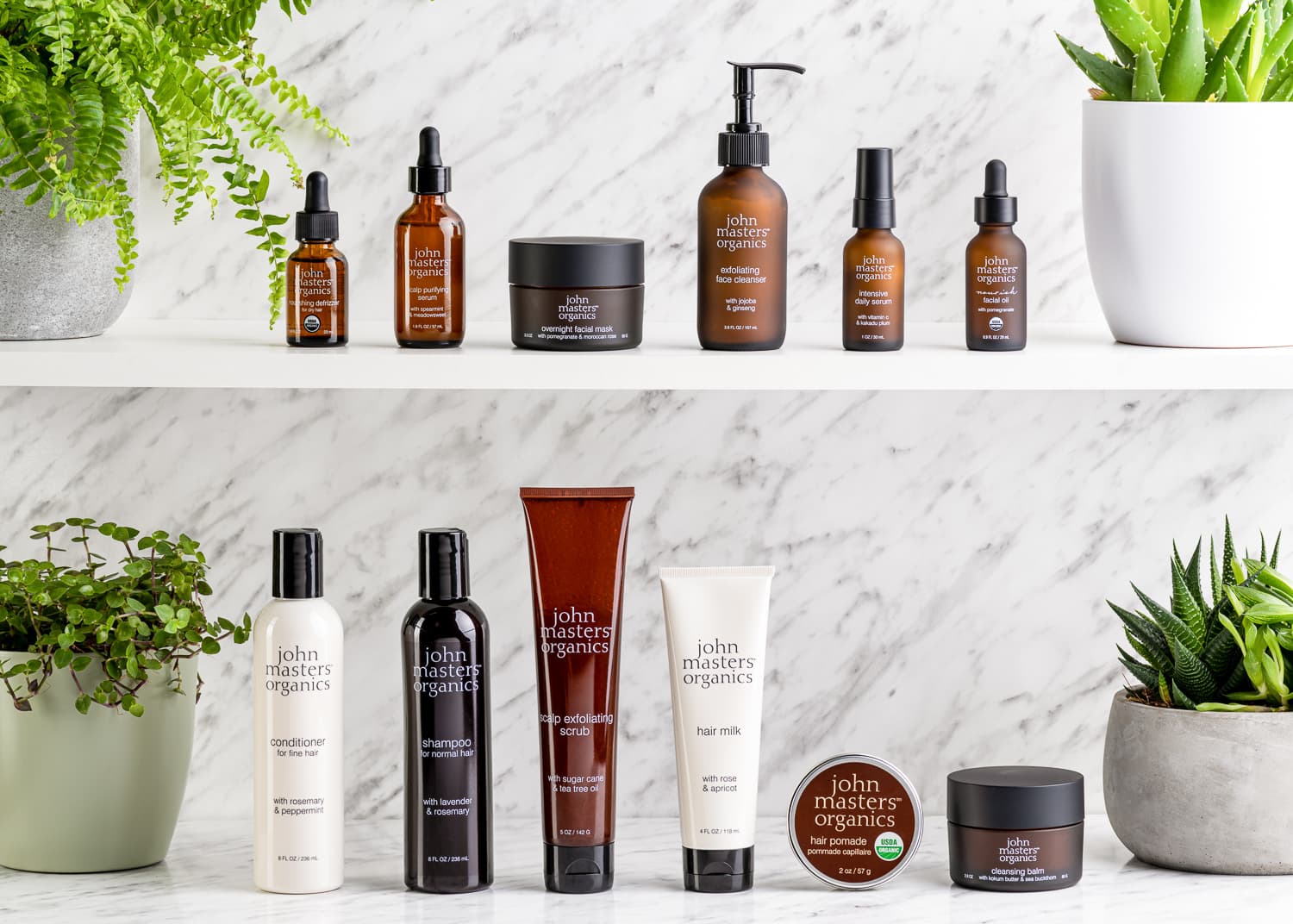
White background packshots are usually the most efficient. Styled sets and lifestyle scenes need more planning, propping, arrangement, and often more retouching.
Difficult materials
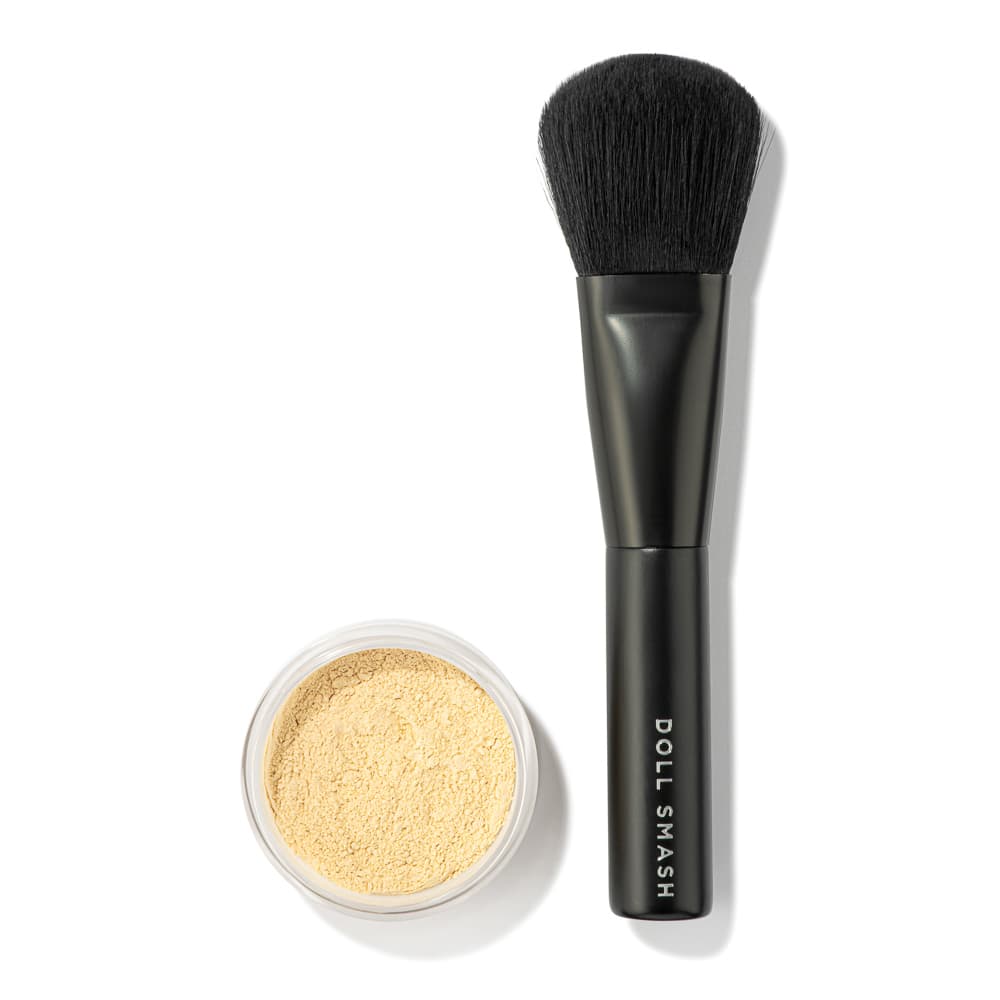
Glass, polished metal, foil, gloss packaging, and transparent products can all take longer to light cleanly and retouch naturally.
Retouching and cleanup
Dust removal, label straightening, colour correction, clipping paths, shadow work, and consistency across a full range all affect the final cost.
Intended use
Imagery for ecommerce, Amazon, print, social, or paid advertising may need different file specs, layouts, overlays, and levels of finish.
One small but common observation here is that simple-looking products are not always simple jobs. White packaging, for example, often needs careful edge control to stop it disappearing into a white background. A tidy product range can also take time if every item has to line up perfectly across the full set.
Typical product photography pricing models
Studios tend to price work in three broad ways. None is automatically better than the others. It depends on the brief.
Per image pricing
Usually makes sense for consistent packshot work where the output is predictable.
- Useful for straightforward ecommerce catalogues
- Easy to compare on simple briefs
- Less suitable if complexity varies wildly between products
Package pricing
Often used when there is a defined bundle, such as a product range or a fixed Amazon image set.
- Helps when quantity and outputs are already clear
- Can be cleaner for brand teams and growing sellers
- Works well when several deliverables belong together
Day rate or project pricing
More common for styled shoots, mixed briefs, or work with more production and retouching involved.
- Better for lifestyle, composites, and campaigns
- Good when creative direction matters as much as volume
- Often the fairest model for larger custom briefs
If you are comparing quotes, try not to focus only on whether the studio charges per image or per day. Look at what is included. Two prices can look similar at first glance and still cover very different levels of retouching, consistency, file prep, and planning.
A useful pricing lens
Examples help, but they only help when the brief is clear
Broad price ranges can be useful for orientation. They are much less useful when brands treat them like a guarantee before anyone has seen the products, the quantity, or the intended outputs.
Typical examples of pricing
The examples below are broad and educational. They are not fixed studio rates, and they should not be treated as a promise. They simply reflect the sort of ranges brands often see when comparing product photography pricing in the UK.
A useful rule of thumb
If the work is highly repeatable, product photography cost per image is often easier to estimate. If every image needs different treatment, the most realistic quote usually comes as a package or project.

Repeatable work
The more consistent the range, crop, and output requirements, the easier it becomes to turn photography into a predictable production process rather than a one-off creative quote.
Packshot photography vs lifestyle photography cost
This is one of the clearest pricing splits in commercial photography. Packshots and lifestyle images do different jobs, so they involve different production steps.
Packshots
Usually built for clarity, consistency, and easy comparison across a range.
- Controlled lighting
- Repeatable setup
- Clean white or plain background
- Often better value for larger catalogues
Lifestyle photography
Usually built to show mood, use, context, and brand personality.
- More creative planning
- Styling, props, and set dressing
- More variation shot to shot
- Usually priced higher than straightforward packshots
That is why packshot photography cost UK searches often return lower figures than lifestyle photography examples. The process is generally more efficient. Lifestyle images can be excellent value, but they are rarely the quickest type of image to produce.
Amazon product photography pricing
Amazon product photography pricing often catches brands out because Amazon rarely needs just one image. It usually needs a system.
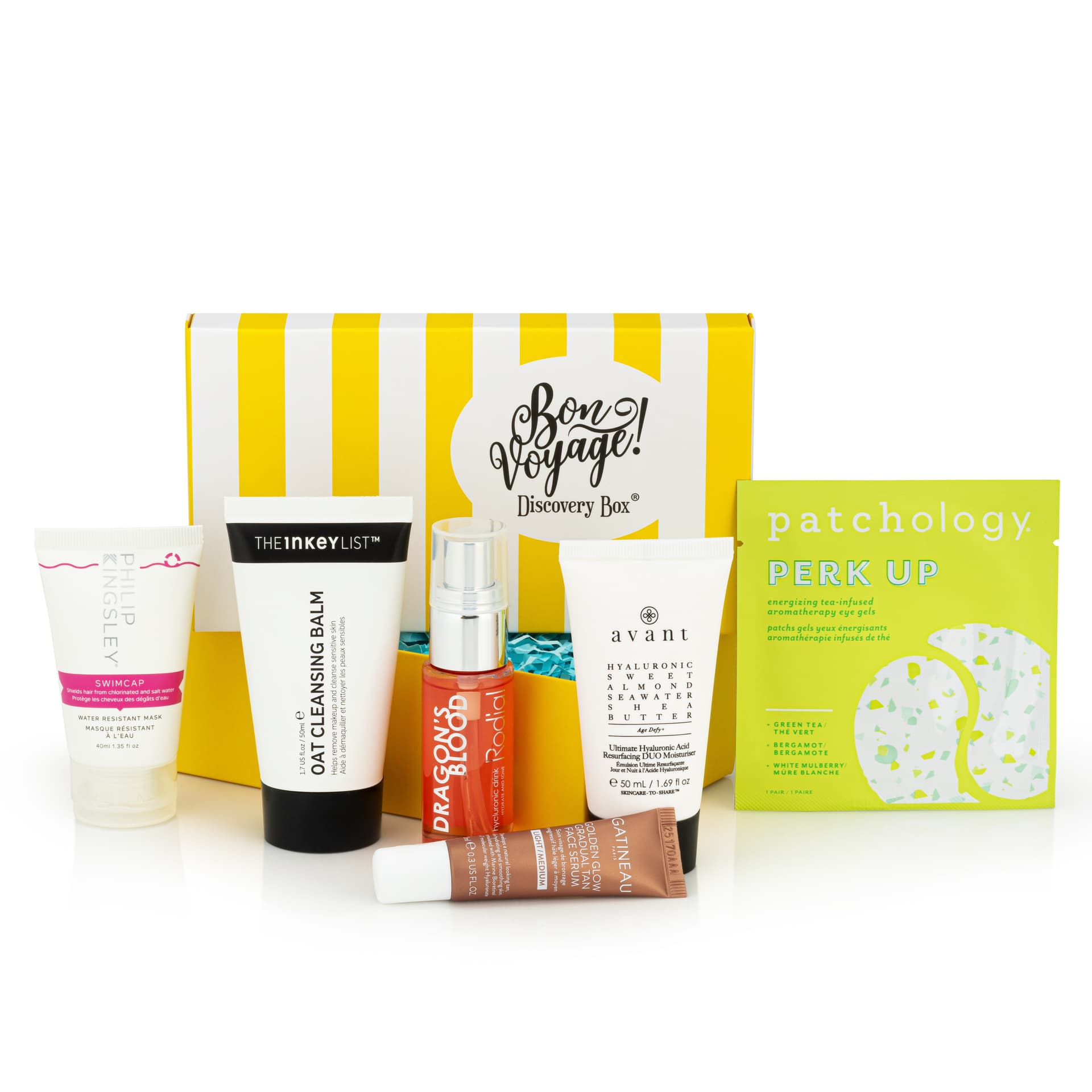
A typical Amazon brief may include a compliant hero image, supporting angles, close detail shots, scale references, infographics, and sometimes a lifestyle image. That means the cost is shaped not just by photography, but by layout, graphic work, file preparation, and an understanding of what actually helps conversion on the platform.
Amazon Image Set Breakdown
In other words, ecommerce product photography pricing for Amazon can move quickly once graphics, compliance, and conversion-focused image planning are added. If you need Amazon-specific help, the most relevant service page is our Amazon product photography service.
Why the cheapest option is not always the best value
Cheap photography can be expensive in use. That is especially true when the images need to work across a full catalogue, a retail listing, paid ads, or a product range where consistency matters.
1 batch
of inconsistent imagery can create cleanup work across every listing, ad, and product page.
2 quotes
can look similar on paper while covering very different levels of retouching and file prep.
0 value
comes from a cheap shoot if the files still need internal fixes or do not convert properly.
What usually separates stronger value from weaker value is not simply who presses the shutter. It is consistency of lighting, colour accuracy, reliable retouching, and whether the files arrive ready to use. Brands often discover this after the fact when one batch looks different from the next, shadows do not match across a range, or a supposedly simple job still needs hours of internal cleanup.
What better value usually looks like
Consistent sets
Ranges look like they belong together, not like they were shot months apart.
Cleaner retouching
Dust, edges, labels, and reflections are handled properly without the product looking fake.
Accurate colour and finish
Important for reducing confusion, returns, and mismatch between listings and reality.
Commercial usability
The imagery is not just presentable. It is usable across your website, marketplaces, and campaigns.
Strong imagery does not guarantee conversion on its own, but weak imagery can definitely get in the way. That is why the lowest quote is not always the lowest real cost.
How to get an accurate estimate
If you want a useful estimate rather than a vague starting figure, send a studio the information that affects production time. The more precise the brief, the more precise the quote.
What to send when asking for a quote
A strong estimate usually comes from a brief that answers the same questions a studio needs to plan production.
Describe the product itself
Include the product type and flag any reflective, transparent, or awkward materials.
Confirm quantity
Say how many products need photographing so a studio can judge the production flow properly.
List the outputs per product
Mention whether you need one hero image, multiple angles, detail crops, or a full set.
Explain where the images will be used
Ecommerce, Amazon, print, social, and advertising all shape the deliverables differently.
Flag any extra production needs
Infographics, overlays, composites, or heavier retouching all affect the quote.
Share references if you have them
A few examples usually help faster than trying to describe the look in abstract terms.
Even a rough brief is useful. In fact, it is often enough for a studio to tell you what can be shot efficiently, where complexity will sit, and whether the brief is really packshot work, campaign work, or a mixture of both.
FAQ
How much does product photography cost in the UK?
Product photography costs in the UK vary depending on the brief. Simple packshots may be priced per image, while larger ecommerce, Amazon, or lifestyle projects are often quoted as a package or project cost. The final figure usually depends on quantity, complexity, retouching, and intended use.
Do photographers charge per image or per day?
Both are common. Per image pricing often suits straightforward packshot work. Package pricing works well for product ranges. Day rate or project pricing is usually better for styled shoots, larger catalogues, or briefs with a lot of planning and retouching.
Why does lifestyle photography cost more than packshots?
Lifestyle photography usually involves more setup, styling, art direction, and retouching. Even when the final image looks simple, it often takes more planning and more post-production than a white background packshot.
How much does Amazon product photography cost?
Amazon product photography pricing often sits above a single packshot because sellers usually need a full image set, not one photo. That can include a compliant main image, supporting angles, infographics, detail crops, and sometimes lifestyle content.
What information do I need to get an estimate?
A studio can usually quote much more accurately if you send the product type, quantity, number of images needed, intended use, and any references or examples you already have.
Need a clearer number for your own brief?
The fastest next step is to look at our pricing page, or send over your product list and rough brief for a tailored estimate. If you want to understand the wider service options first, start with product photography, packshots, lifestyle photography, or Amazon imagery.
A short brief usually tells a studio far more than a price guess ever will.