When a customer lands on your product page, they are not looking for beautiful imagery. They are looking for reasons to trust what they see. The image is the first thing that registers, long before the description, the reviews or the price. And for most online shoppers, it is the image that determines whether they stay or leave.
This is something we see consistently across the brands we work with. The businesses that treat their imagery as a trust signal, rather than a visual finishing touch, tend to see stronger results over time. Not because their products look prettier, but because their customers feel more confident buying.
The core idea
The strongest product imagery does not just look good. It removes doubt.
When your imagery answers the questions a buyer has before they even ask them, you are not decorating a product page. You are building a case for conversion.
Looking good is only the starting point
Of course, product imagery needs to look professional. But attractive photography that leaves important questions unanswered can still lose a sale. If a customer cannot tell how big the product is, what the texture looks like, or how it would sit in their own space, even the most polished image has not done its job.
We have worked with brands who came to us with beautifully styled imagery that was not converting well. In most cases, the problem was not the quality of the photography. It was that the images were not giving customers enough information to feel safe committing. They looked great but did not remove doubt.
What buyers are really looking for from product imagery
When we break it down, the things that make product imagery effective are not about aesthetics. They are about answering unspoken questions. Here is what most buyers are actually looking for:
Clarity
Can I see the product properly? Is it sharp, well-lit and free from distractions?
Accuracy
Does the image look like the real product? Will what arrives match what I see on screen?
Scale
How big is it? Can I gauge the size from the image, or is there a reference point?
Texture and finish
What does the surface look like? Is it matte, glossy, woven, metallic? Does the image communicate that?
Quality cues
Does the photography signal quality, or does it undermine it? Does the brand feel trustworthy?
Context
Can I picture this product in my life? Does the imagery help me imagine using it?
Every one of these reduces doubt. And when imagery consistently delivers on all of them, the customer has very little left to worry about.

Detail builds trust
Close-up detail shots communicate texture, material quality and craftsmanship. They answer visual questions that a standard product image cannot.
Why trust matters so much on product pages
The fundamental challenge of selling online is that buyers cannot pick up the product, turn it over, feel the weight or examine the finish. Everything they know about the product before they buy it comes through the screen. That puts an enormous amount of responsibility on the imagery.
Shoppers are not consciously thinking about trust in most cases. But they are responding to it. When images feel clear, honest and complete, the customer relaxes into the purchase. When something feels unclear or inconsistent, even if they cannot put their finger on why, they hesitate. That hesitation is where sales are lost.
Product imagery does not work in isolation. It sits alongside reviews, pricing, product descriptions and brand presentation. But it is almost always the first element that shapes a buyer's impression. Get it right, and the rest of the page has a stronger foundation to work from.
The types of imagery that build confidence
Not every product image serves the same purpose. Different types of imagery answer different buyer questions, and the strongest product pages tend to use a considered combination.

Clarity and accuracy
A clean packshot answers the most basic buyer question: what exactly am I getting?
Clean packshots remain the foundation of any ecommerce image set. They show the product clearly and honestly, without distraction. On marketplaces like Amazon, they are a compliance requirement. But even on your own website, they are the images that do the heaviest lifting when it comes to trust.
Detail images go a step further. A close-up of a stitched seam, a clasp, a label or a surface finish tells the buyer something a full product shot cannot. It signals quality and gives them the kind of information they would look for if they were holding the product in their hands.
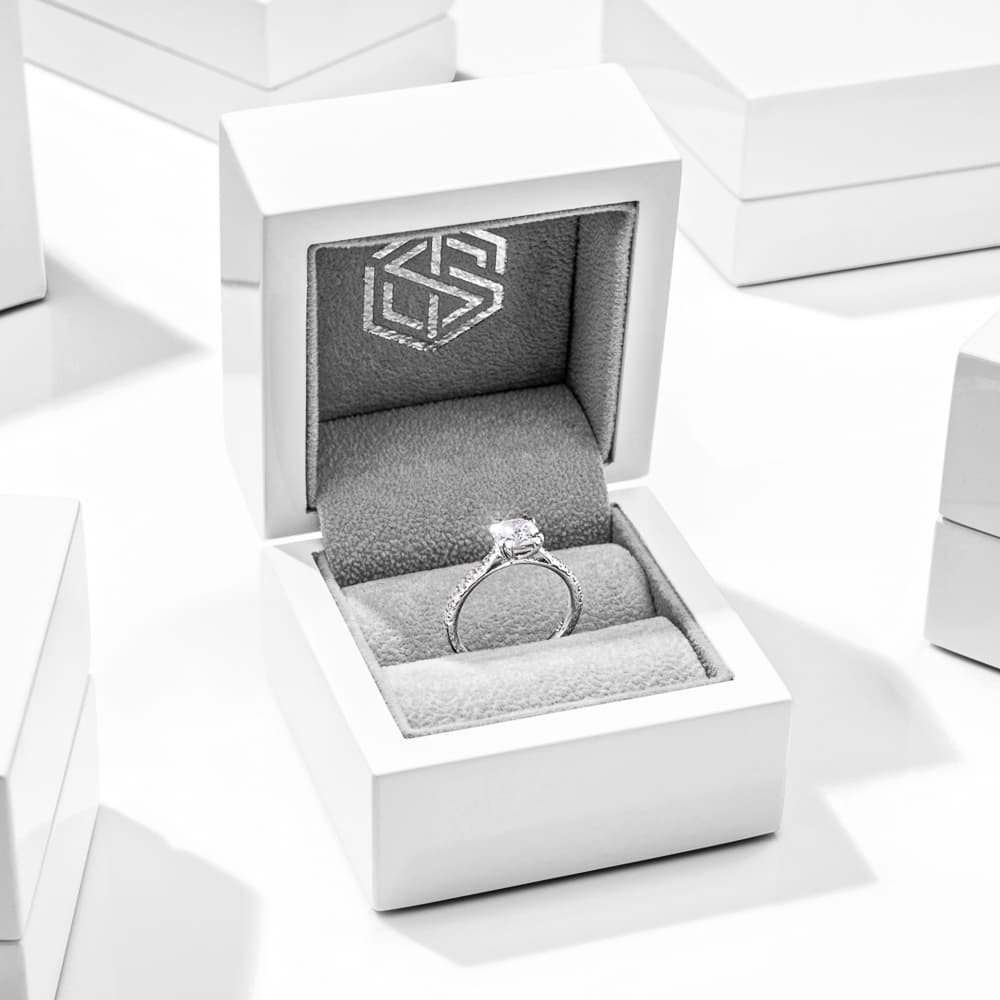
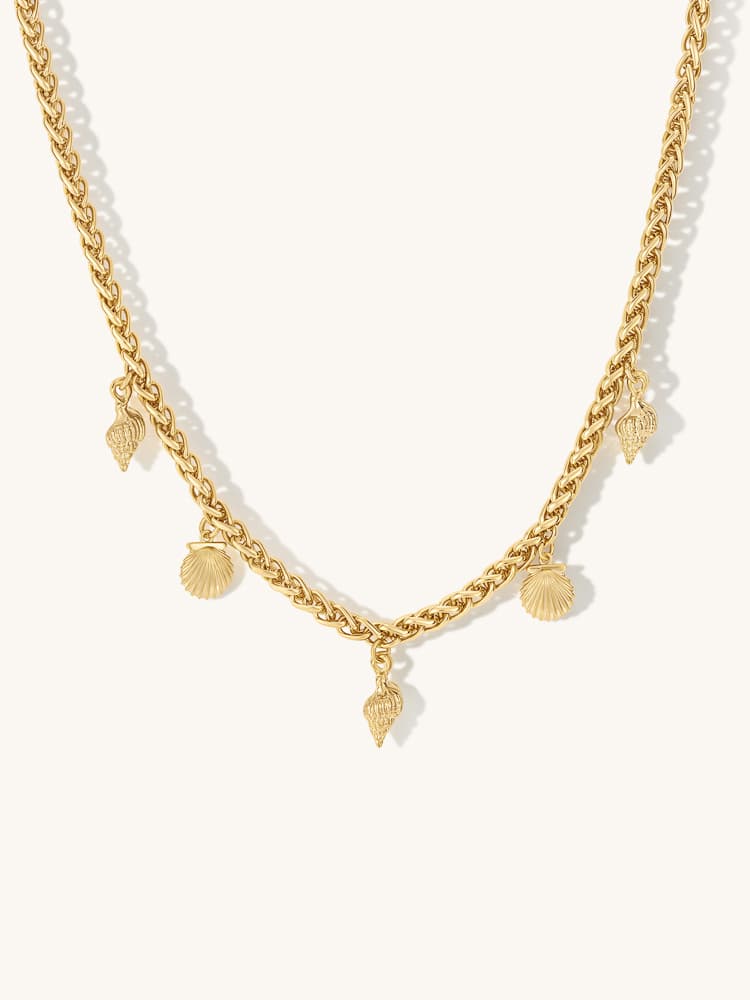
A well-produced packshot on a clean background. The product is accurately lit, the colour is true, and the customer can see exactly what they are buying.

Context and connection
Lifestyle imagery helps buyers picture a product in their own life. The setting feels natural rather than staged, which supports trust and emotional connection.
Lifestyle images serve a different purpose. They are not about accuracy. They are about connection. A well-shot lifestyle image helps a buyer imagine the product in their own kitchen, bathroom, wardrobe or workspace. That emotional step is often what moves someone from browsing to buying.
In-use or contextual imagery can be equally valuable. For products that need to be understood in action, showing them being used or worn or displayed gives the buyer a much clearer sense of what they are purchasing. And for brands with a growing catalogue, consistency across the range is itself a trust signal. When every product in a listing looks like it belongs to the same family, it tells the customer that this is a brand that pays attention to detail.
Where brands often get it wrong
Most of the imagery problems we see are not about bad photography. They are about imagery that is not working hard enough. Here are the patterns that come up most often:
Relying on a single hero image
One strong image is not enough. Buyers want to see multiple angles, detail, context and scale before they commit.
Over-styled visuals that hide the product
When the styling is more memorable than the product, the imagery is not doing its commercial job.
Inconsistent lighting and angles across a range
When different products have different visual treatments, the catalogue feels disjointed and less professional.
Imagery that looks polished but not trustworthy
Heavy retouching or overly stylised images can undermine confidence. Customers want to see the real product.
Poor Amazon image sets
Listings that meet basic compliance but do not use the full image set to build a case for the product. A white background hero image alone is not enough to compete.
Signs your imagery may be creating doubt
Customers cannot clearly judge scale or detail from your images
Product pages feel inconsistent, with different lighting, angles or backgrounds across your range
Images look polished but do not clearly communicate what the product is or does
New visitors may still have obvious visual questions after viewing your listing
Your listings do not feel as credible as the competition
If any of these feel familiar, our article on ten signs you need new product photography is a useful deeper dive.
Why trust-led imagery usually performs better over time
The commercial case for trust-led imagery is not complicated. When buyers feel confident about what they are purchasing, they are more likely to buy, less likely to return, and more likely to come back.
We consistently see that brands who invest in imagery that prioritises clarity, accuracy and consistency tend to experience lower hesitation at the point of purchase, better product understanding (which reduces returns), stronger brand perception across their catalogue, and more confidence from buyers browsing across ecommerce and marketplace listings.
None of this requires flashy or expensive photography. It requires imagery that is well planned, well produced and designed to do a commercial job, not just a visual one.
What this means for ecommerce and Amazon brands
For brands selling through their own website, trust-led imagery supports every stage of the buying journey. From the category page where a customer first encounters the product, to the product page where they decide to commit, every image either builds confidence or undermines it.
For Amazon sellers, the stakes are even higher. The marketplace environment is competitive, and customers are making quick decisions based almost entirely on the image set. A strong hero image, clear supporting angles, useful infographics and a believable lifestyle image give your listing the best chance of converting. A weak or inconsistent set does the opposite.

Consistency across a range
When every product in a range is photographed with matching lighting, angles and styling, the catalogue feels cohesive and the brand feels more trustworthy.
The brands that get the best results tend to think about imagery as a system rather than a series of one-off shots. That means packshots that match across every product, lifestyle imagery that feels consistent with the brand, and composite lifestyle scenes that extend the range without a full location shoot every time.
A note from my experience
Over time, we see the strongest results when brands stop thinking of imagery as a finishing touch and start treating it as part of the sales process. It is not about spending more. It is about being more intentional with what each image is there to do.
When I work with a brand on their imagery, the conversation almost always starts with the product and how it looks. But the brands that see the biggest improvement are the ones where the conversation moves to the customer. What does the buyer need to see to feel confident? What questions will they have? What would make them hesitate? Once you start thinking about imagery from that angle, the decisions become much clearer.
Strong product imagery does more than make a product look appealing. It helps a buyer feel safe saying yes.
Claire Fulleylove, Creative Director
Good imagery should remove doubt
If there is one thing I would want any brand to take away from this, it is that the best product imagery is not about impressing people. It is about reassuring them. It answers the questions buyers have in their heads, whether they voice them or not: What exactly am I getting? Does it look high quality? Can I trust this brand? Will this look like it does in the photos? Does this feel worth the money?
When your imagery can answer those questions honestly, clearly and consistently, you are not just showing a product. You are giving someone a reason to buy it.
If you would like help creating imagery that supports trust and conversion across your product range, we would be happy to have a conversation. You can see our pricing or get in touch to talk it through.
FAQ
Why is product imagery important for buyer trust?
Product imagery is often the first thing a customer interacts with on a product page. Clear, accurate, well-lit photographs give shoppers the visual information they need to feel confident about what they are buying. When imagery answers common questions about size, quality, materials and finish, it reduces hesitation and builds trust before the customer has read a word of copy.
Does ecommerce product photography affect conversion?
Yes. Strong product photography directly supports conversion by helping buyers feel confident in their purchase. Images that clearly show the product, communicate quality and reduce doubt make it easier for a customer to add to basket. Poor or inconsistent imagery creates uncertainty, which leads to hesitation, abandoned carts and higher return rates.
What kind of images help customers trust a product?
A combination of clean packshots, detail close-ups, lifestyle images and contextual or in-use photography gives customers the most complete picture. Packshots provide clarity and accuracy. Detail images show texture, finish and quality. Lifestyle images help buyers imagine the product in their own life. Together, they answer the visual questions shoppers have before committing to a purchase.
Are lifestyle images better for ecommerce than packshots?
Neither is better on its own. Packshots and lifestyle images serve different roles. Packshots are essential for accurate, clear product representation, especially on marketplaces like Amazon. Lifestyle images add context and emotion, helping customers connect with the product. The strongest ecommerce listings typically use both, alongside detail and in-use shots.
How do Amazon listing images affect buying confidence?
Amazon shoppers rely heavily on images because they cannot physically handle the product. A strong Amazon image set includes a compliant hero image, supporting angles, infographic overlays and lifestyle context. When these are consistent, clear and professionally produced, they signal quality and reliability, which directly supports conversion and reduces returns.
How can I tell if my product imagery is creating doubt for buyers?
Common signs include customers regularly asking questions that images should answer, high return rates with comments about the product looking different in person, inconsistent imagery across your catalogue, and product pages that feel less credible than competitors. If your imagery looks polished but does not clearly communicate what the product actually is, it may be creating doubt rather than confidence.