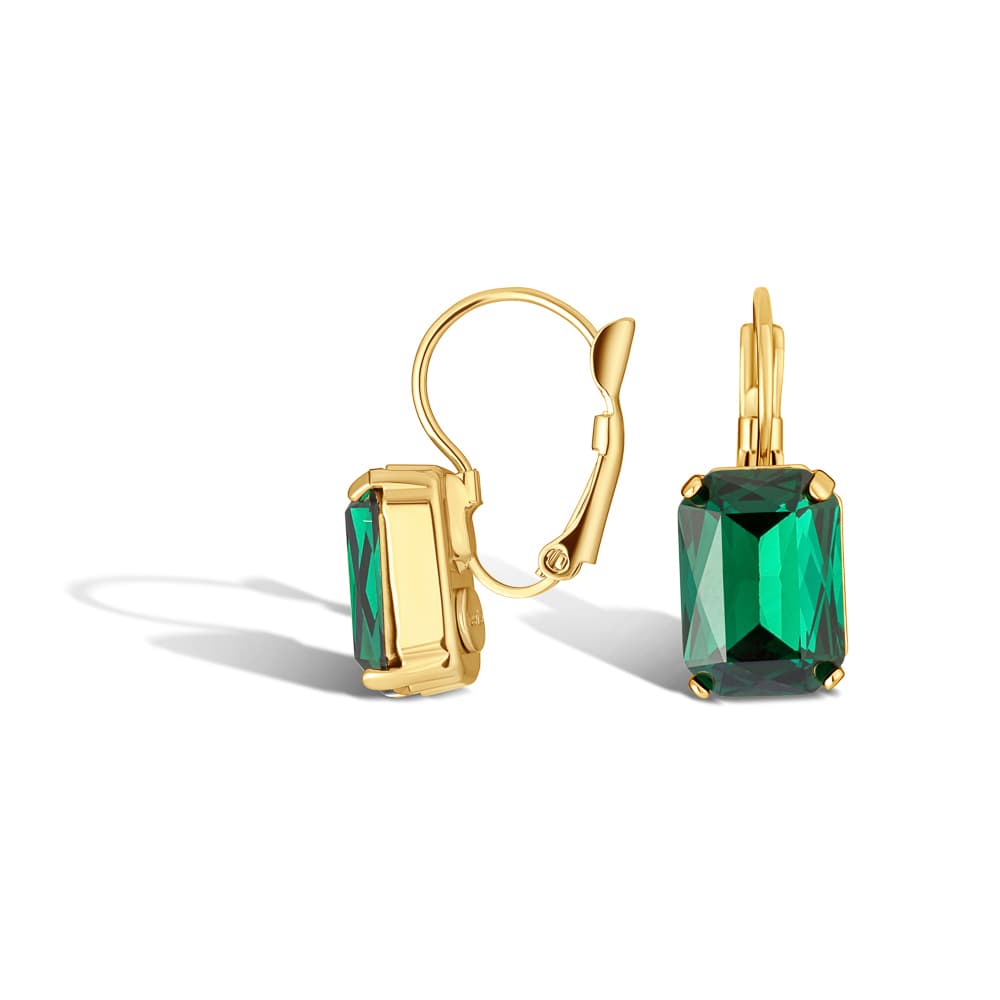
Jewellery is one of my favourite things to photograph, and also one of the most demanding. I say that having spent years photographing everything from industrial hardware to pet treats. None of those categories test your patience quite like a polished silver bangle that insists on reflecting every light source in the room, including ones you did not know were there.
My name is Nic, I am the studio director at Photograph My Product, and this article is an honest look at what goes into jewellery product photography. Not the sanitised version, but the real one. The difficulties, the precision it requires, the retouching that takes longer than the shoot itself, and why, despite all of that, getting jewellery imagery right is one of the most satisfying things we do.
The honest truth
Jewellery photography is slow, precise, and occasionally infuriating. It is also some of the most rewarding work in the studio.
Every piece has its own character. Getting it to look the way it deserves to on screen is a craft, and it takes patience that most product categories simply do not require.
Why jewellery is one of the hardest things to photograph
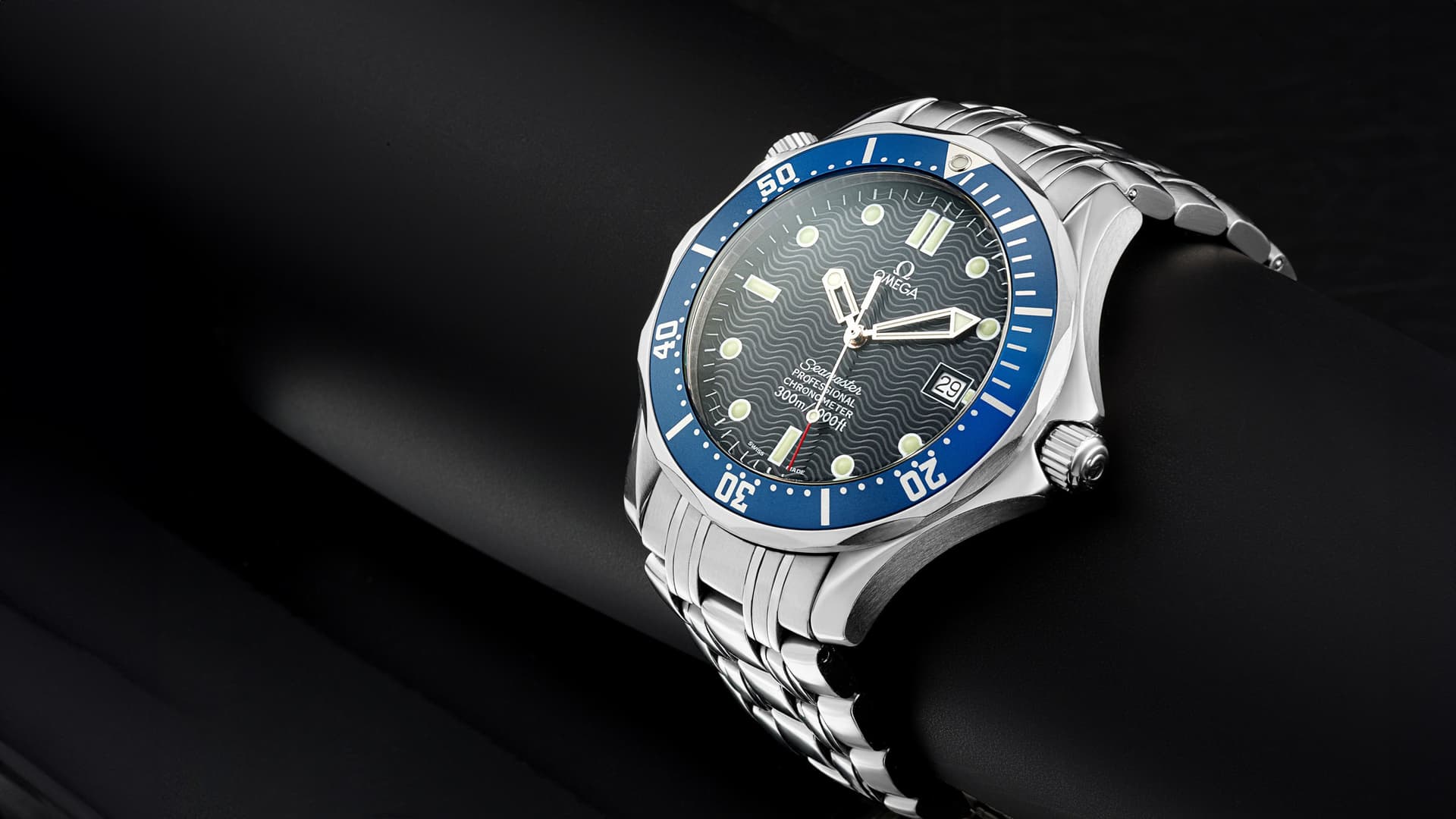
I am not exaggerating when I say that a single ring can take longer to photograph properly than an entire set of packshots for a food brand. The reason is reflections. Polished metal reflects everything: the studio ceiling, the camera, the tripod legs, your hands, the edge of a softbox. You spend as much time managing what the product is reflecting as you do composing the actual shot.
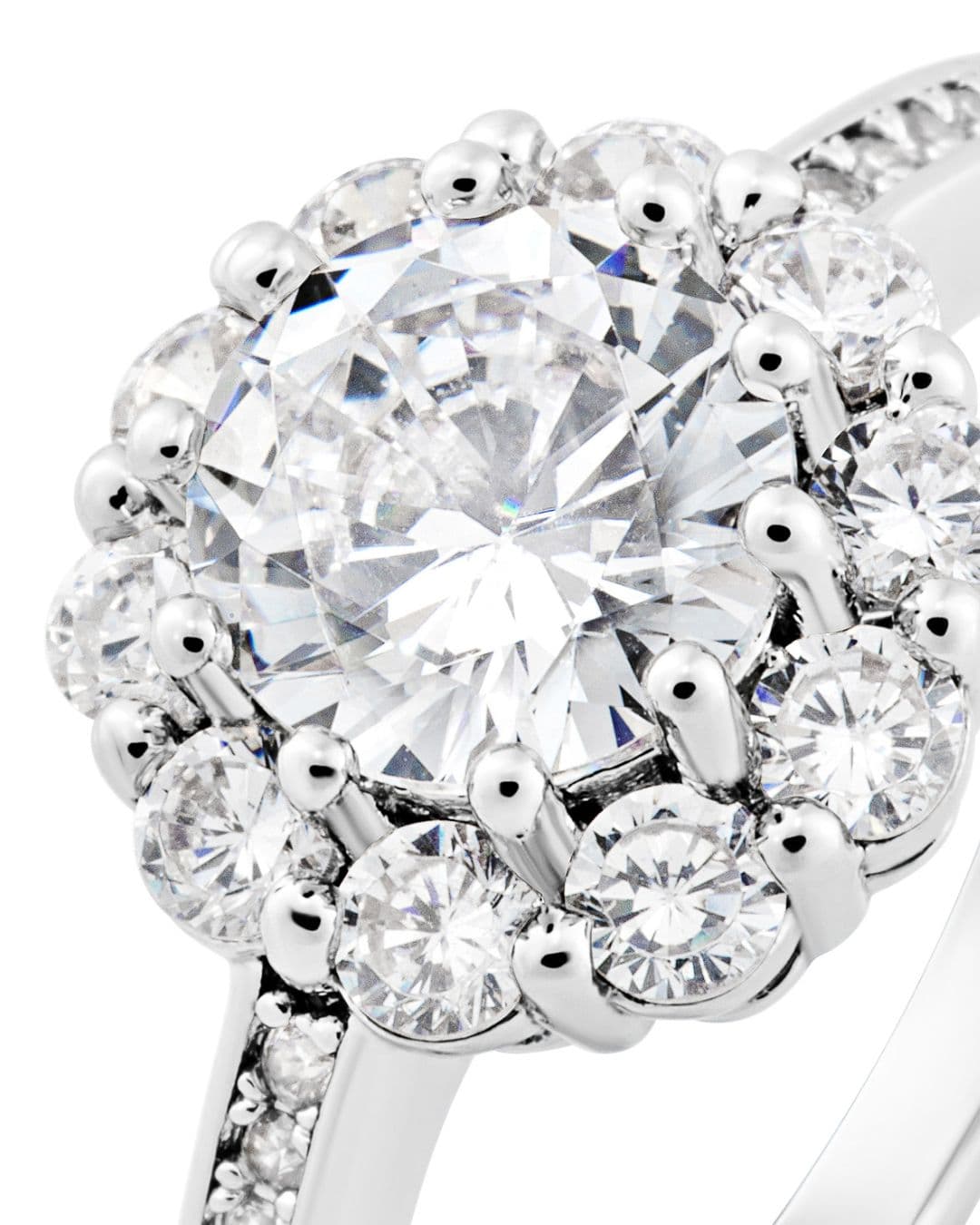
Then there is scale. A necklace pendant might be 15 millimetres across, but it needs to look detailed and sharp when a customer zooms in on a product page. That means macro photography, and macro photography means a razor-thin depth of field. Getting the clasp, the chain links and the pendant all in focus at the same time often requires focus stacking, where I take multiple shots at slightly different focal points and merge them in post.
And gemstones have their own set of problems. The sparkle and fire that makes a stone look beautiful to the naked eye can disappear completely under the wrong lighting. Or worse, it can turn into a harsh white hotspot that kills all the colour. Finding the angle and light position that brings out the life in a stone without blowing out the highlights is genuinely one of the most precise things I do.

Precision at macro scale
At this level of magnification, every speck of dust and every surface imperfection becomes visible. The product needs to be immaculate, and the lighting has to be precise.
The retouching takes as long as the photography
This is something that surprises a lot of clients. With most product categories, the photography is the main event and the retouching is a tidy-up. With jewellery, the retouching is where at least half the work happens.
After a focus-stacked shoot, I am merging multiple exposures into a single sharp image. Then I am cleaning the background, removing any remaining reflections that could not be controlled in-camera, enhancing the sparkle in gemstones without making it look artificial, and making sure the metal finish looks true to life. Gold needs to look warm. Silver needs to look cool and clean. Rose gold needs that very specific pink warmth without drifting into orange.
It is painstaking work. But it is also the part where the image really comes to life. The difference between a raw jewellery shot and a finished one is dramatic, and that gap is closed entirely in retouching.
From the studio
40 minutes of detailed jewellery retouching condensed into 4 minutes. Watch the full process: focus stacking, precision cutouts, metal enhancement, shadow layering and final colour adjustments.
With most product categories, the retouching is a tidy-up. With jewellery, it is where at least half the real work happens. That is where the image comes to life.
Nic, Studio Director
What types of images jewellery brands actually need
Most jewellery brands that come to us need a combination of three things, and the mix depends on where the images will be used.
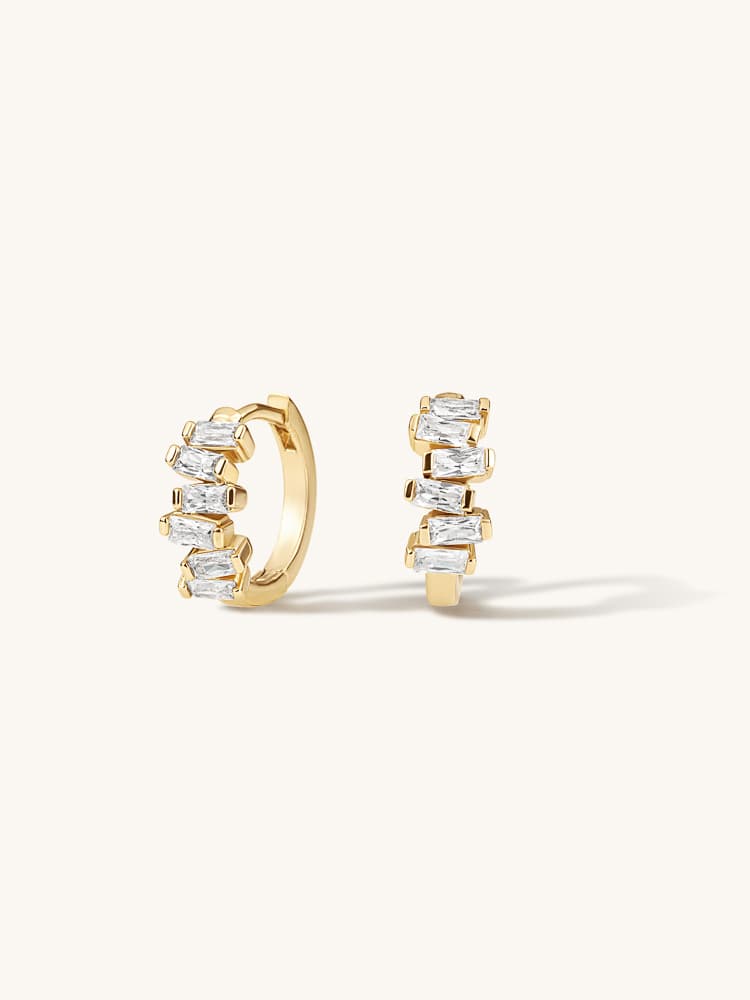
- Packshots on white: clean, consistent images for product listings, marketplaces and catalogues
- Macro close-ups: detail shots that show craftsmanship, stone settings and surface finish
- Lifestyle or on-model: styled imagery that shows scale and how the piece looks when worn
If you are selling on your own website, you probably want all three. If you are listing on a marketplace, the packshots and close-ups are the priority. If you are building a campaign or updating your social content, the lifestyle imagery matters most.
We can advise on the right mix based on where your images will live and what your customers need to see before they buy.

Lifestyle and context
Showing how a piece looks when worn changes the way customers connect with it.
One of the things I always recommend to jewellery brands is having at least some on-model or styled imagery alongside their packshots. A ring on a white background tells you what the ring looks like. A ring on a hand tells you how it feels to own it. That difference matters.
You can see examples of all three image types on our jewellery photography service page.
On-model imagery gives customers a sense of scale and wearability that a packshot alone cannot provide.
Preparing your jewellery for a shoot
This is genuinely important, and I always mention it to clients before they send their products. The condition your jewellery arrives in directly affects the final result. At macro magnification, every fingerprint, every speck of dust, and every tiny scratch becomes visible. Cleaning in retouching is possible, but it is time-consuming and it is always better to start clean.
Clean and polish every piece
Remove fingerprints, tarnish and any protective films. If you have a jeweller’s polishing cloth, use it.
Label each item clearly
Especially important for collections with multiple sizes, colourways or matching sets. We need to know which piece is which.
Include reference imagery
If you have a specific look in mind, send examples. It helps us match your expectations from the first shot.
Confirm what you need
Number of angles, white background vs lifestyle, close-ups, transparent PNGs. The more we know upfront, the smoother the shoot.
Package carefully
Individual pouches or compartments. Chains tangle, stones scratch, and arriving damaged means delays for everyone.

Consistent across a collection
When every piece in a range is shot with the same lighting, background and crop, the collection feels cohesive and professional on your website.
Why it is worth the effort
I have made it sound like jewellery photography is difficult, and it is. But that is exactly why the results are so satisfying. When you spend an hour getting a ring to sparkle in exactly the right way, and the client tells you it is the best their product has ever looked online, that feeling is worth every frustrating reflection and every painstaking retouching session.
Jewellery is personal. People buy it to celebrate, to remember, to express something about themselves. The imagery needs to honour that. A lazy product photo of a necklace on a crumpled background does not do the piece justice, and it does not give a customer the confidence to spend their money. But when the photography is precise, when the retouching is careful, and when the sparkle is real, the product sells itself.
That is what we aim for with every jewellery shoot that comes through the studio. If you want to see what that looks like in practice, our jewellery photography page has a full gallery. And if you are thinking about booking a shoot, you can check our pricing to get a sense of costs before getting in touch.
Need jewellery product photography?
Get in touch with our York studio to discuss your range, your image requirements, and what you need for your listings. We will come back with a clear quote and shot plan.
Get in touch